
 English
 日本語
日本語
 한국어
한국어
 简体中文
简体中文
 繁體中文
繁體中文
 Italiano
 español
 Deutsch
 Русский



Have you ever felt like you’re putting in the work but somehow standing still?
When I first started yoga, I couldn’t even touch my toes. I’d actually come to it in a strange way. My house had been burgled, and I remember feeling incredibly angry, and then feeling uncomfortable about how angry I was. I wanted to meditate to calm myself down, but I couldn’t even sit comfortably on the floor. I wasn’t flexible enough to stay still.
Yoga started as a very practical solution. If I could make my body more comfortable, maybe I could make my mind quieter too.
I wasn’t fit or flexible, and I wasn’t trying to achieve anything impressive. I just needed something to help me feel more grounded and a bit less stuck in my own head. So I started doing a little every day. This wasn’t because I was naturally disciplined. I wasn’t. It was because I slowly learned something that has stayed with me ever since. Routine is the mother of discipline.
At first, progress was obvious. My body changed. Things that once felt impossible slowly became normal. Eventually, I could do postures I never imagined I’d be able to do. From the outside, it probably looked like I’d made it.
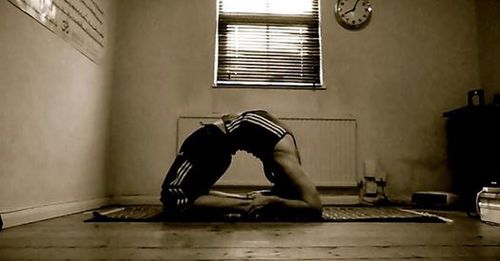
But here’s the strange part. That stage turned out not to be the most important one.
After a while, even though the postures were more advanced, something in the practice felt flatter. I’d reached a kind of plateau. It wasn’t a physical limit, but a plateau of meaning. That was when yoga really changed for me.
What began as a way to reach a meditative state slowly became something different. The practice itself became the meditation. I stopped caring so much about what it looked like and started paying more attention to what it felt like. Breathing, awareness, patience, and being present became the focus.
Honestly, that quieter phase felt deeper than anything I’d done before.
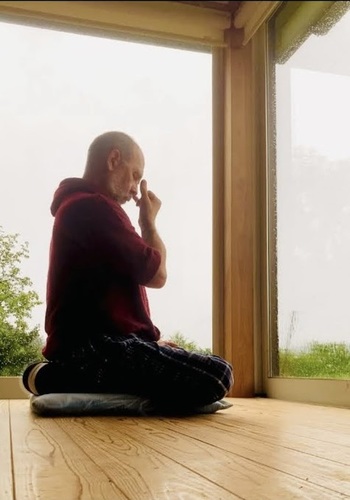
Later on, I noticed the same pattern in other parts of my life. When I taught myself to play the saxophone, I used to practise every day under the bridges near the Kamo River in Kyoto. There was no audience and no big goals. It was just about turning up and playing. When I studied kanji, I didn’t aim for brilliance — I aimed for consistency.
I see exactly the same thing with English learners.
At the beginning, everything feels exciting. You have new words, new grammar, and quick improvements. Then one day, many people hit that familiar feeling.
“I’m stuck.”
“I’m not getting better anymore.”
But often, that feeling doesn’t mean you’ve stopped improving. It just means the kind of progress you’re making has changed.
Just like with yoga, the next stage isn’t about doing something impressive. It’s about using English in a more real way. To think, to connect, and to say what you actually want to say, not just what you’ve practised.
So if you’re trying to build a routine, whether it’s weekly lessons, short daily practice, reading, or listening, here’s the mindset that’s helped me more than anything.
Don’t worry too much about how your progress looks.
Pay attention to how naturally the habit fits into your life.
If you feel stuck right now, it might not be failure at all.
It might just mean you’re ready for the next, deeper stage of learning.
Language Support
Vocabulary
burgled
when someone breaks into your house and steals things
grounded
feeling calm, stable, and emotionally balanced
plateau
a stage where progress seems to stop after improving
meaning or meaningful
having depth or importance, not just surface success
routine
a regular habit you repeat
discipline
the ability to continue doing something even when motivation is low
awareness
noticing what is happening in your body and mind
Phrasal Verbs
come to something
to start something or arrive at it by a particular path
“I’d actually come to it in a strange way.”
turn up
to arrive or show up, especially when it takes effort
“It was just about turning up and playing.”
pay attention to
to focus on
“I started paying more attention to what it felt like.”
Collocations
feel stuck
to feel you are not moving forward
make progress
to improve step by step
reach a plateau
to arrive at a stage where improvement slows
build a routine
to create a regular habit
daily practice
something you do every day to improve
deeper stage
a more meaningful phase of development
Idioms and Expressions
Routine is the mother of discipline
Meaning: discipline doesn’t come first. It grows naturally from regular habits.
From the outside
how something looks to other people, not how it feels to you
I’d made it
to feel you have finally succeeded
The next stage
a new phase of development after the beginner level
Not failure at all
reframing something negative as something positive or useful




回應 (0)