
 English
 日本語
日本語
 한국어
한국어
 简体中文
简体中文
 繁體中文
繁體中文
 Italiano
 español
 Deutsch
 Русский


Today is Palm Sunday, the first day of Holy Week.
Many people know Easter, but not everyone knows what happens before it. In countries like Spain and the Philippines, Holy Week is one of the most important times of the year. Streets change, people travel, and many traditions come to life.
If this is new to you, don’t worry — most of my students have never heard of Holy Week. So today, on Palm Sunday, I want to share what this week is about and why it matters to many people around the world.
What is Holy Week?
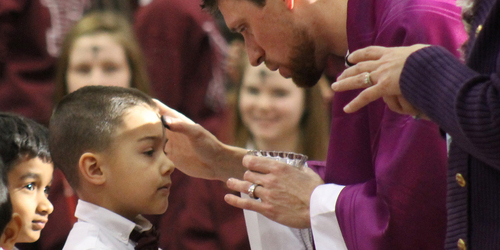
Holy Week is the last week of Lent, a 40-day period when many Catholics pray, reflect, or give up certain foods or habits.
Holy Week remembers the last days of Jesus' life:
- his arrival in Jerusalem
- his Last Supper, the final meal Jesus shared with his disciples (also called apostles, the people who followed him and learned from him)
- his death
- and his resurrection (the belief that Jesus rose from the dead)
But Holy Week is not only religious. It's also a cultural tradition, a historical event, and a community celebration. Even people who are not religious often enjoy watching the processions (large, slow parades with statues and music) and learning about the history.
I grew up in the Philippines, where Holy Week is a very important time. Now I live in Spain, another country with strong Holy Week traditions.
Seeing Holy Week in two different countries has taught me that people celebrate it in many different ways, that it brings families and communities together, and that it's full of art, music, and history.
For many Catholics, Holy Week is a time to slow down, think, and spend time with loved ones.
What happens during Holy Week?
Palm Sunday
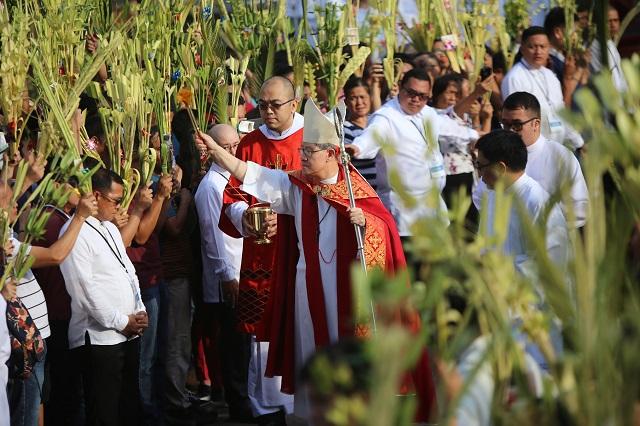
People carry palms (long leaves from palm trees) to remember Jesus entering Jerusalem. In Spain, palms are beautifully woven. In the Philippines, palaspas are also woven into creative shapes and brought to church to be blessed.
Maundy Thursday
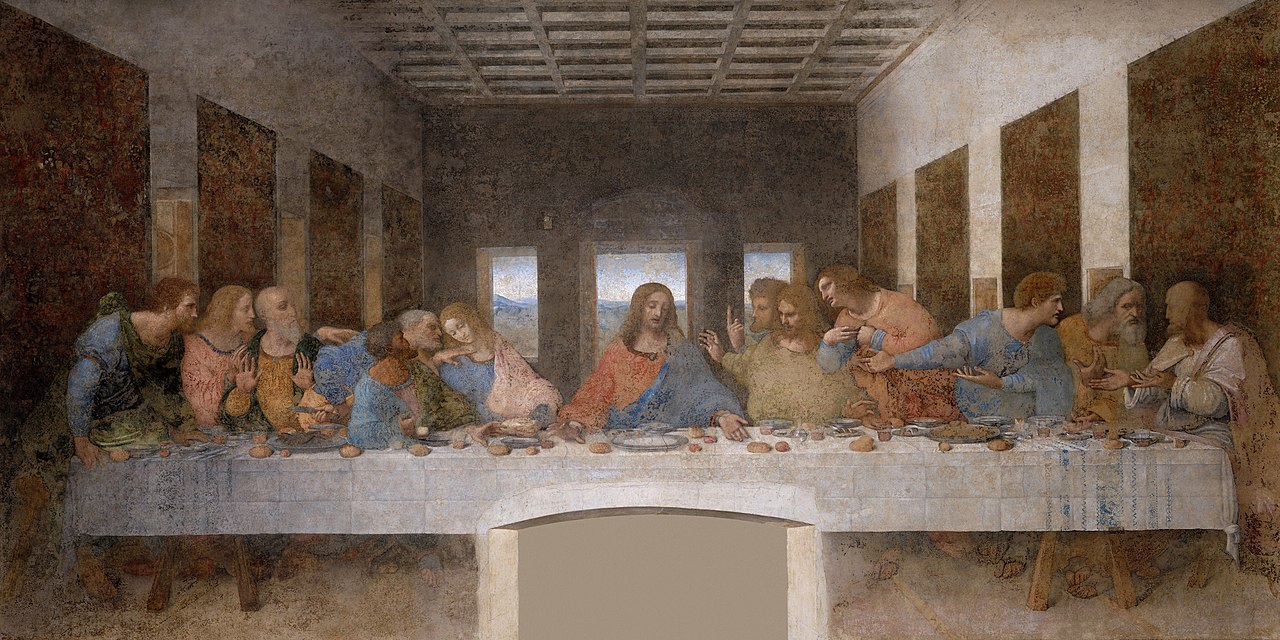
This day remembers the Last Supper. In many countries, church bells stop ringing after this day to show sadness for what will happen on Friday. In Spain, this day is one of the most important nights for processions. Many people also begin fasting (eating little or no food) or avoiding meat as a sign of respect.
Good Friday
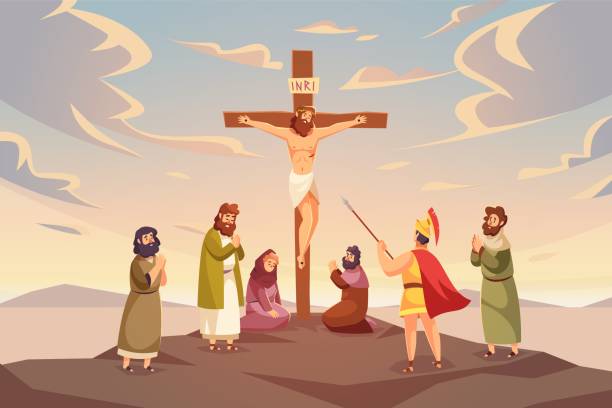
This is the most serious and solemn day of Holy Week because it remembers the crucifixion — the day Jesus died on the cross. Churches are quiet, and many people avoid celebrations or entertainment. Because of the meaning of the day, people often speak softly, dress simply, and avoid meat.
Black Saturday
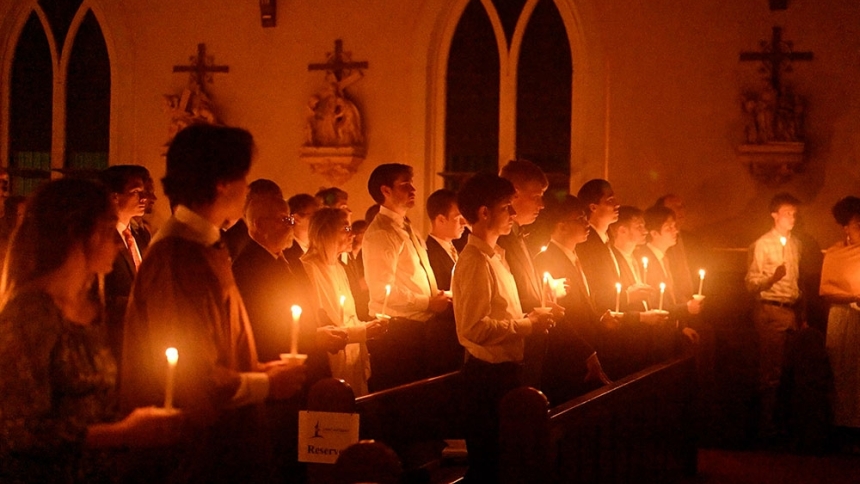
This is a day of waiting and silence. It remembers the time when Jesus' body lay in the tomb (a place where a person is buried, usually a small stone room or structure). Many churches do not have Mass during the day, and the atmosphere is calm and reflective. At night, some churches hold the Easter Vigil, a long and beautiful ceremony with candles, readings, and music. It makes the transition from sadness to joy as people prepare for Sunday.
Easter Sunday
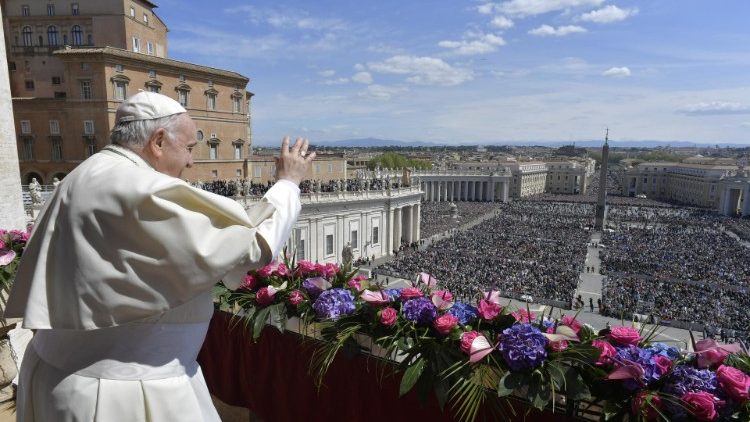
This is the happiest day of Holy week because it celebrates the resurrection. The mood changes completely: churches are full of music, people wear brighter clothes, and families gather for special meals. After church, families celebrate together, and in many cultures, Easter eggs appear as symbols of new life and hope.
Spain and the Philippines: Same Week, Different Traditions
Holy Week in Spain and the Philippines comes from the same Catholic tradition, but the way each country celebrates it feels different.
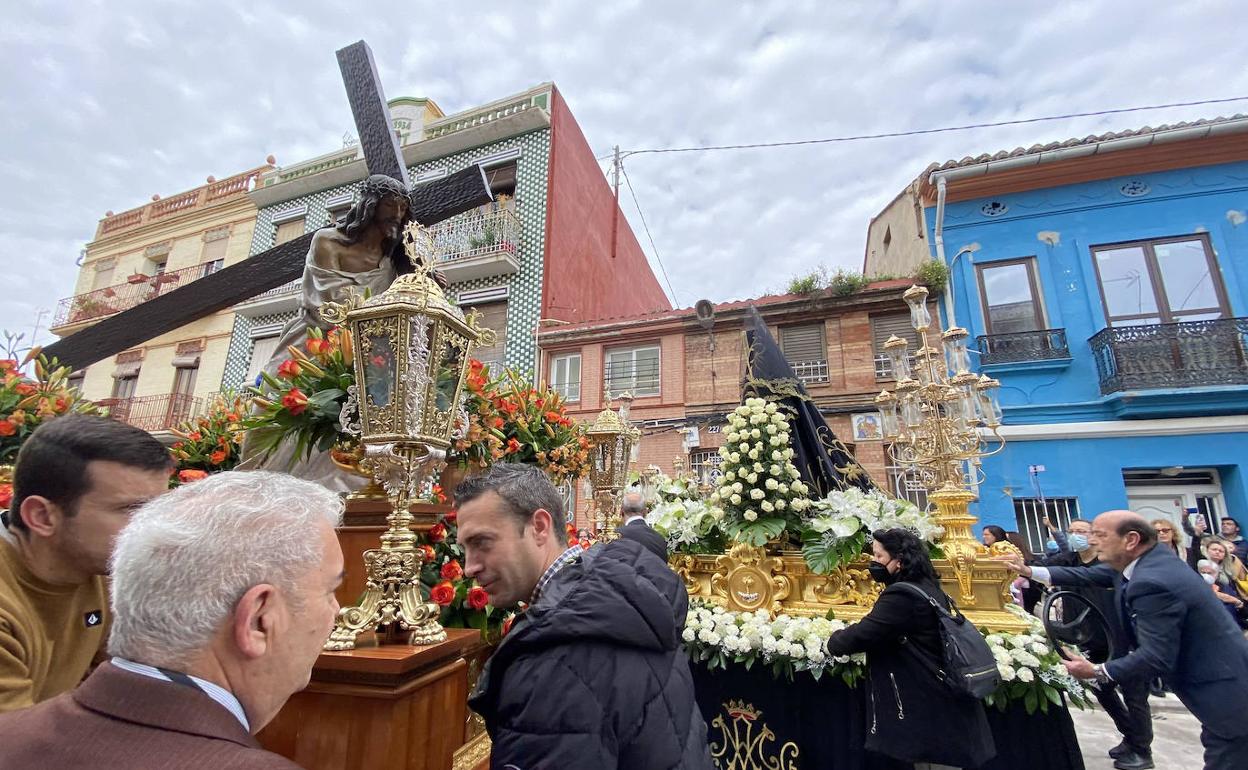
In Spain, the atmosphere is dramatic and artistic. Many towns hold long processions with large pasos, which are heavy floats carried on people's shoulders. These are usually statues of Jesus or Mary.
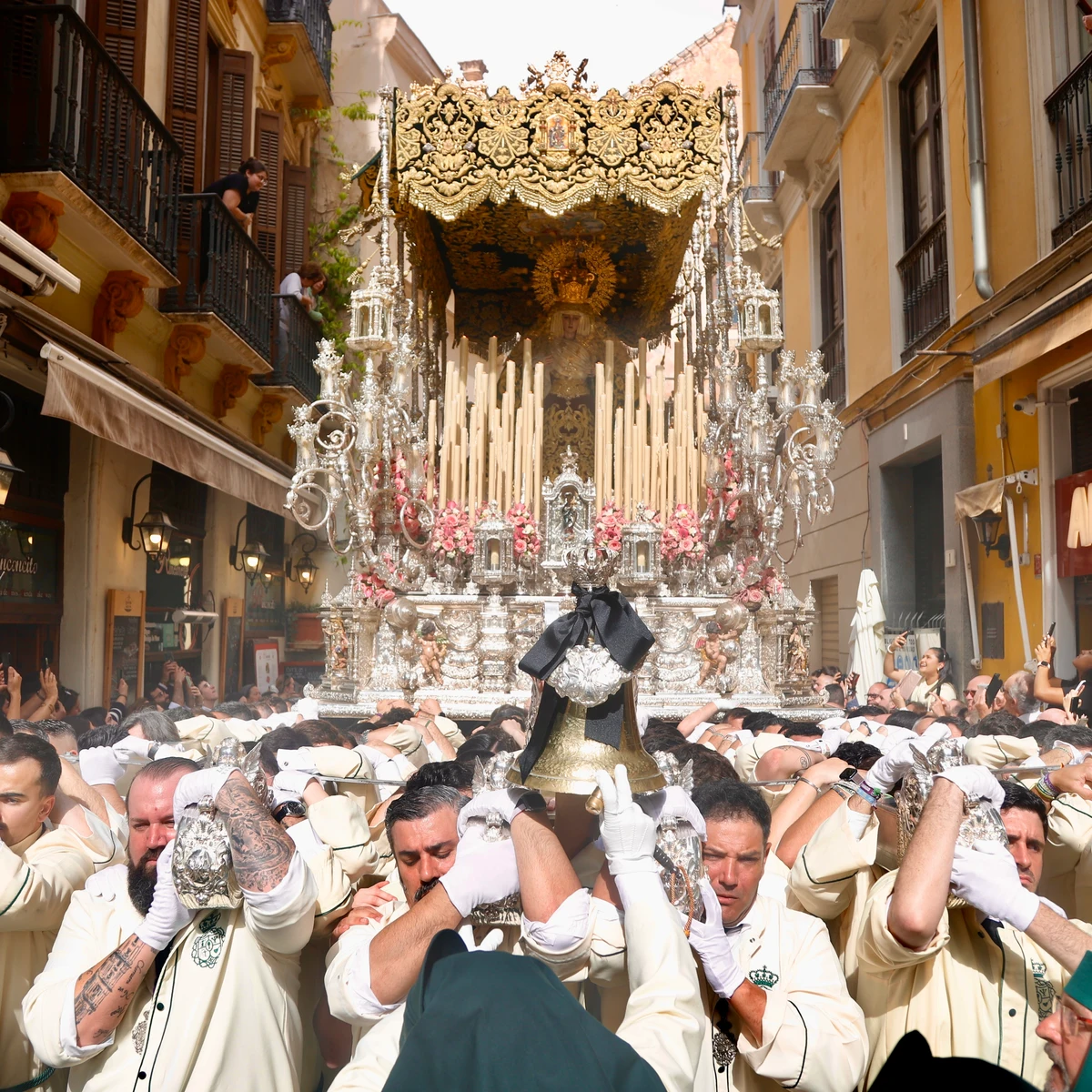
The people walking in the processions often wear long robes and pointed hoods. These hoods may look similar to the ones used by the Ku Klux Klan (KKK), a racist hate group from the United States, but the Spanish tradition is much older and has a completely different meaning.
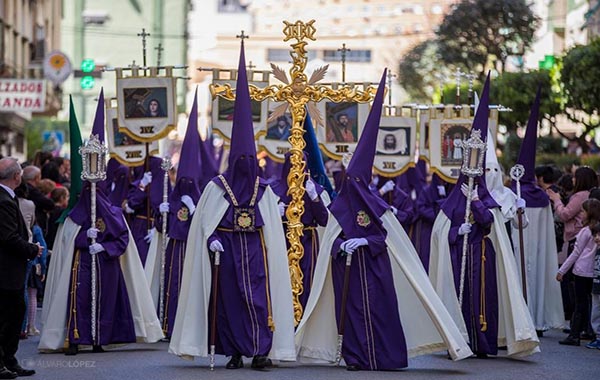
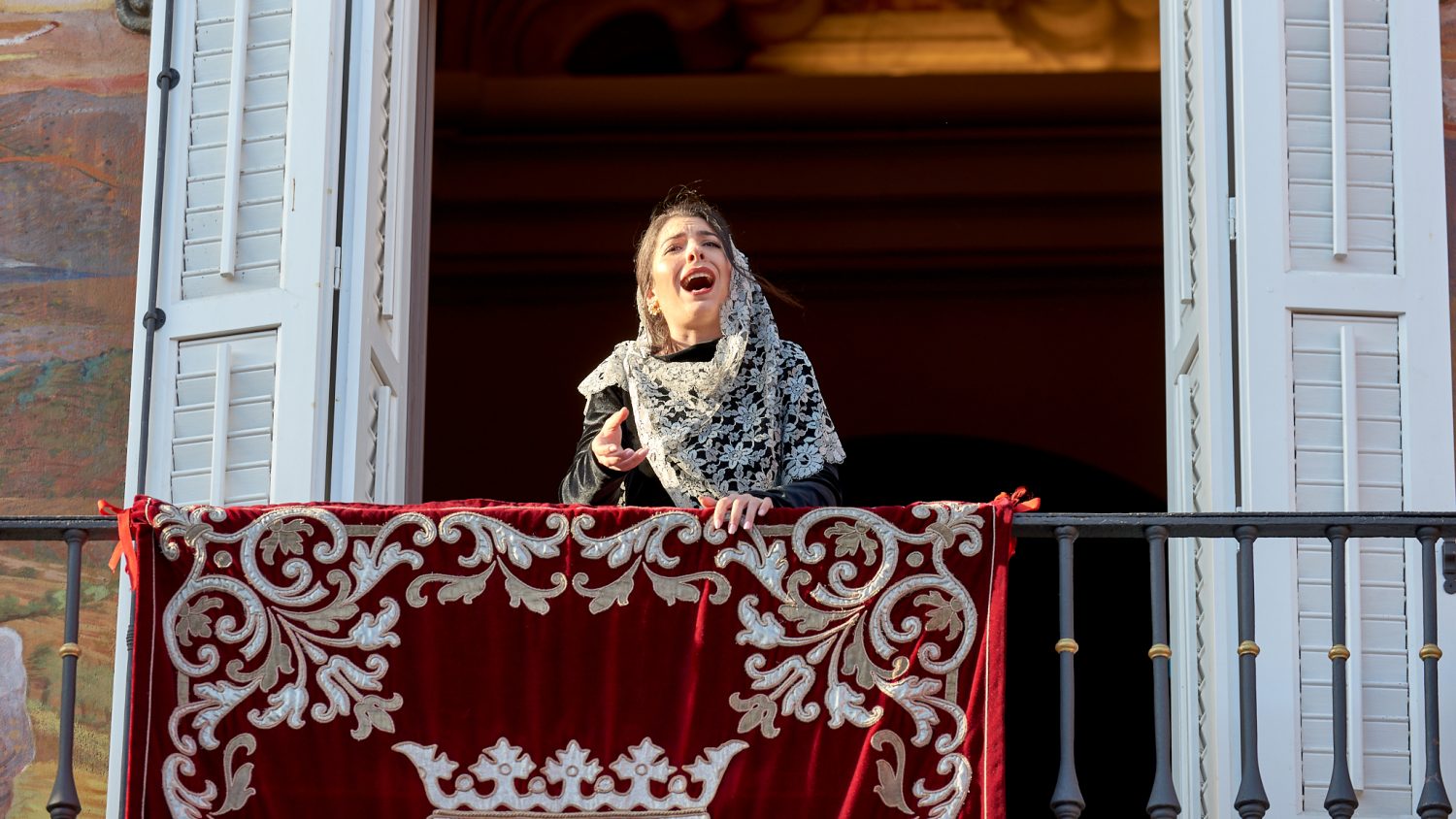
During the processions, you can hear drums, see candles, and sometimes listen to saetas, emotional songs sung from balconies.
Spain also has a tradition called El Encuentro (The Encounter), usually on Easter Sunday morning, where statues of the risen Jesus and his mother Mary meet in the town square.
In the Philippines, Holy Week feels more communal and devotional. Many towns have the Pabasa ng Pasyon (Reading of the Passion), where people chant a long poem about Jesus' for many hours or even days.

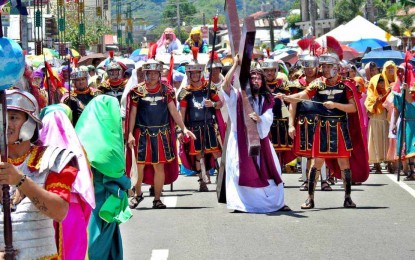
There are also Senakulo plays, which are live dramas showing the story of Jesus' suffering.
Families often do Visita Iglesia, visiting seven churches in one night.

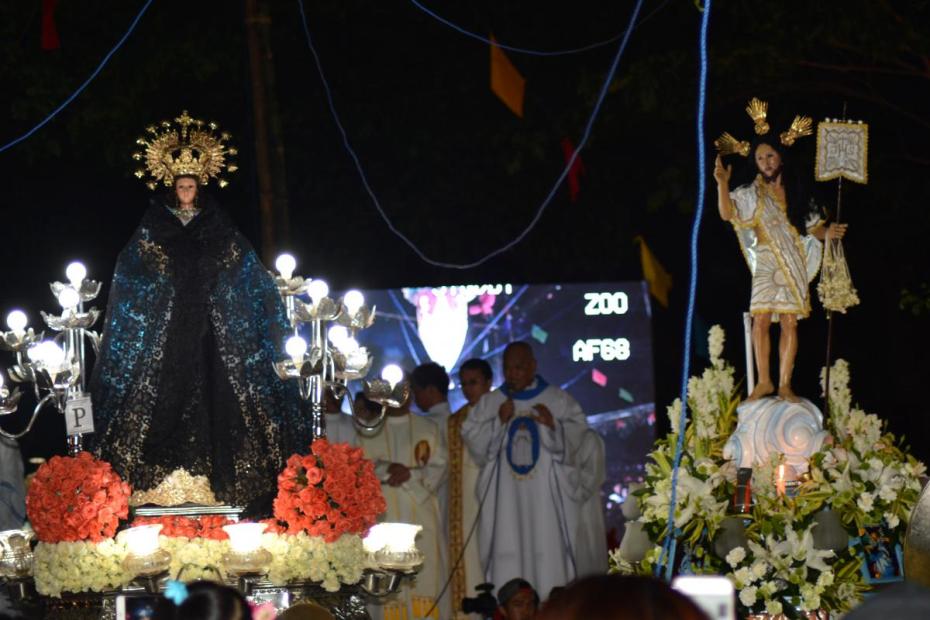
Filipino processions use karosas, which are floats on wheels that are pulled instead of carried, making them different from the Spanish pasos.

The Philippines also has the Salubong, a dawn ceremony on Easter Sunday where statues of Jesus and Mary "meet" after the resurrection — a tradition very similar to Spain’s El Encuentro.
Surprising things about Holy Week
Here are some things that many people find surprising:
- Some Spanish pasos are extremely heavy — more than 1,000 kg — and many people work together to carry them.
- The Pabasa in the Philippines can continue nonstop for 24 to 72 hours.
- Some processions move in complete silence.
- In some Spanish towns, streetlights are turned off during processions.
- Holy Week can affect travel, business hours, and even TV programs.
Holy Week is not only a religious event; it is a cultural experience!
Why learn about traditions like this?
Learning about traditions such as Holy Week helps us understand how different cultures celebrate important events, how history shapes traditions, and how communities express their identity.
And honestly, it's simply interesting to explore!
If you enjoy learning about culture, I'd love to talk with you. In my Quick English Conversation class, we can discuss traditions from around the world, and other topics you might be interested in talking about! It's a fun and relaxed way to practice English while learning something new.




回应 (0)