
 English
 日本語
日本語
 한국어
한국어
 简体中文
简体中文
 繁體中文
繁體中文
 Italiano
 español
 Deutsch
 Русский


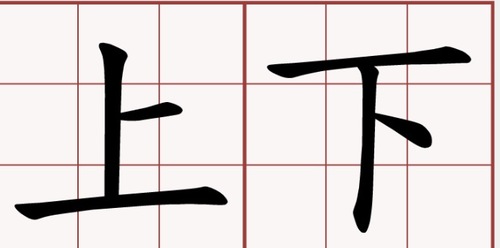
“上”和“下”:不只是“up”和“down”
在中文里,“上”和“下”是两个很常见的字。
很多中文学习者一开始会觉得它们只是表示 “up” 和 “down”。
其实,当“上”和“下”和不同的词组合的时候,它们的意思会发生变化。
In Chinese, “shàng (上)” and “xià (下)” are very common characters.
Many learners think they simply mean “up” and “down.”
However, when they combine with different words, the meanings can change.
下面我们来看一些常见的例子。
时间 Time
上午 / 下午
- 上午:中午以前
- 下午:中午以后
Morning / Afternoon
例句 Example
我上午有课。
I have a class in the morning.
上次 / 下次
- 上次:之前的一次
- 下次:未来的一次
Last time / Next time
例句 Example
上次见面很开心。
Last time we met was very nice.
上周 / 下周
- 上周:上一个星期
- 下周:下一个星期
Last week / Next week
上月 / 下月
- 上月:上个月
- 下月:下个月
Last month / Next month
学习 Study
上课 / 下课
- 上课:开始学习
- 下课:课程结束
Start class / Class ends
例句 Example
我们九点上课。
Class starts at 9.
上学 / 放学
- 上学:去学校学习
- 放学:学校结束
Go to school / School finishes
例句 Example
孩子八点上学。
Children go to school at 8.
日常生活 Daily Life
上班 / 下班
- 上班:开始工作
- 下班:工作结束
Go to work / Finish work
上车 / 下车
- 上车:进入车里
- 下车:离开车
Get on / Get off
上楼 / 下楼
- 上楼:去楼上
- 下楼:去楼下
Go upstairs / Go downstairs
上网 / 下网
- 上网:使用互联网
- 下网:离开网络
Go online / Go offline
上菜 / 下厨
- 上菜:把菜送到桌子上
- 下厨:自己做饭
Serve dishes / Cook
位置 Position
上面 / 下面
- 上面:比较高的位置
- 下面:比较低的位置
Above / Below
例句 Example
猫在桌子上面。
The cat is on the table.
✅ 总结 Summary
“上”和“下”虽然只有两个字,但可以表示很多不同的意思,比如:
- 时间:上午 / 下午,上次 / 下次
- 学习:上课 / 下课,上学 / 放学
- 工作:上班 / 下班
- 方向:上楼 / 下楼
- 交通:上车 / 下车
学习中文的时候,不仅要记单个字的意思,也要注意 词语组合的意思。
When learning Chinese, it is important to pay attention to how words combine, because the meaning can change.





응답 (0)