
 English
 日本語
日本語
 한국어
한국어
 简体中文
简体中文
 繁體中文
繁體中文
 Italiano
 español
 Deutsch
 Русский


しゅじん = 主人[my husband]
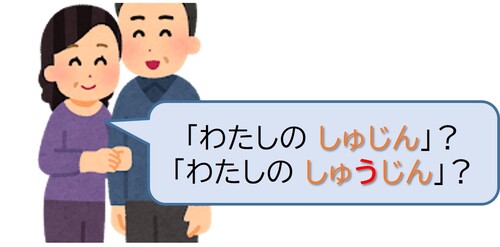
など。
じゃあ読んでみましょう!
サムネイルの わたしの 声を聞いて、どっちか 当てましょう!
Today’s topic is long vowels in Japanese (長音 / chōon).
Be careful — adding or missing just one long sound can completely change the meaning!
shujin = husband [my husband]
shuUjin = prisoner [prisoner]
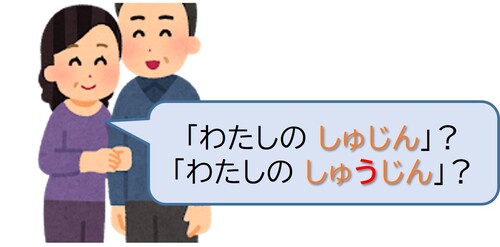
obasan = aunt / middle-aged woman
obaAsan = grandmother
ojisan = uncle / middle-aged man
ojiIsan = grandfather / old man
koko = here
koUkoU = high school * two long vowels here :)
biru = building
biIru = beer
…and many more!
Now let’s read these sentences!
shujin wa shuujin desu / しゅじん は しゅうじん です。
(My husband is a prisoner.)
obaasan no obasan / おばあさん の おばさん
(The grandmother’s aunt)
biiru no / biru / ビール の ビル
(The building of beer )
koko wa koukou desu / ここ は こうこう です。
(This place is a high school.)
koukou wa koko to koko desu / こうこう は ここと ここです。
(The high school is here and here.)
★ Quiz ★
Listen to my voice in the thumbnail and guess which one I’m saying!
1.shujin / shuujin
2. ojisan / ojiisan
3. koko/ koukou
4. biru / biiru
Answer
↓
↓
↓
↓
1.shujin (no long vowel)
2.ojiisan (one long vowel)
3.koko (no long vowel)
4.biiru (on long vowel)
Was it easy?
See you next time! matane!


回應 (0)