
 English
 日本語
 한국어
 简体中文
 繁體中文
 Italiano
 español
 Deutsch
 Русский


Halloween traditions in the Philippines are closely connected to All Saints’ Day on November 1 and All Souls’ Day on November 2.
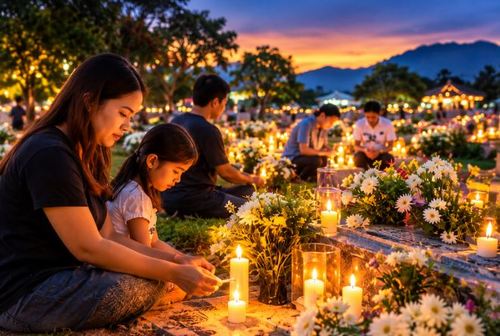
Unlike in some Western countries, where Halloween is mainly celebrated with costumes, trick-or-treating, and spooky decorations, Filipinos often use this season to remember and honor their deceased loved ones. Many families travel to their hometowns to visit cemeteries, clean and decorate graves with flowers, light candles, and offer prayers for the souls of the departed. Cemeteries become gathering places where relatives spend time together, share food, and reminisce about the lives of family members who have passed away. These traditions reflect the Filipino values of family unity, respect for elders, and the enduring bond between the living and the dead.
In recent years, Halloween celebrations have also become increasingly popular in the Philippines, especially among children, young people, and businesses. Schools, shopping malls, communities, and private organizations often hold costume parties, spooky-themed events, and trick-or-treat activities. Children dress up as witches, vampires, superheroes, and other characters while going from house to house or participating in organized events to collect candies and treats. Some families decorate their homes with pumpkins, skeletons, and other Halloween ornaments. Although these modern activities are influenced by Western culture, they have become an enjoyable part of the season for many Filipinos. Whether through traditional cemetery visits or festive costume parties, the occasion brings people together in different ways, combining remembrance, cultural heritage, and entertainment.




回应 (0)