English
 日本語
日本語
 한국어
한국어
 简体中文
简体中文
 繁體中文
繁體中文
 Italiano
 español
 Deutsch
 Русский


Crafting Alibis: Past Tenses in True Crime


Coupon disponibile
Confirmed Immediately
Mastering Past Continuous and Past Simple for Legal Narratives
Descrizioni
Crafting Alibis: Past Tenses in True Crime
Agenda
Mastering Past Continuous and Past Simple for Legal Narratives
Agenda
- Establishing the Alibi: Past Continuous and Simple
- Setting the Scene with Past Continuous actions
- Defining Decisive Events using Past Simple
- Connecting Tenses: When vs. While clauses
- Roleplay: Constructing an Ironclad Alibi
Warm-up
Establishing the Alibi
Setting the scene of the crime, using the Past Continuous and Past Simple tenses to construct ironclad alibis and conduct sharp interrogations. We will analyze witness testimonies and simulate a real-world interview to master these crucial grammatical tools
Presentation
Setting the scene of the crime, using the Past Continuous and Past Simple tenses to construct ironclad alibis and conduct sharp interrogations. We will analyze witness testimonies and simulate a real-world interview to master these crucial grammatical tools
Presentation
Past Continuous: Setting the Scene
Subject + was/were + verb(ing)
Subject + was/were + verb(ing)
- Describes actions that were in progress at a particular time in the past.
- Often used to set the scene for other past events in a narrative.
- Connects to alibis by detailing what someone was doing when a crime occurred.
Past Simple: Decisive Actions
Subject + verb (past)
Subject + verb (past)
- Used for completed actions or sudden events at a specific time in the past.
- Delivers the 'punch' in your narrative, defining what did happen.
- Examples: 'The thief broke the glass at midnight.'
- Also for a series of actions: 'I heard a loud bang and called the police.'
Practice
Setting the Scene
The Past Continuous tense establishes the initial status quo and ongoing actions in a criminal testimony.
- It focuses on duration and atmosphere, painting the background against which events unfold.
- Examples:
- 'I was driving south on the highway...'
- 'The witnesses were standing near the vault...'
Disrupting the Narrative
The Past Simple tense introduces the disruption or specific event that alters the established background.
- It highlights single, completed actions that change the situation.
- Examples:
- '...when I spotted the getaway car.'
- '...when the lights suddenly flickered out.'
Interruption Rule: Use when before the Past Simple (short action) and while before the Past Continuous (long action).
Connectors: 'When' vs. 'While'
Connectors: 'When' vs. 'While'
Introducing 'When' Clauses
The 'when' clause introduces a short, interrupting action. This aligns with the 'Interruption Rule' we previously discussed for past tenses. Example: 'I was eating dinner when the detectives knocked on my door.'
Introducing "While" Clauses
Introducing "While" Clauses
The 'while' clause introduces a longer, background action. It sets the scene for other events. Example: 'While I was cleaning my apartment, I noticed the missing jewelry.'
Expressing Simultaneous Actions
Use 'while' to link two or more continuous actions happening at the same time. This is crucial for establishing alibis. Example: 'I was reading while my roommate was cooking; neither of us heard the intruder.'
Analyzing Past Tenses
In this testimony, the Past Continuous tense effectively sets the scene and describes ongoing background actions, like "was sitting" and "was waiting." Conversely, the Past Simple tense is used for specific, completed events that drive the narrative forward, such as "saw" and "ran." This combination of tenses creates a vivid account of the incident.
Activity 1
Fill in the blanks
Activity 2
Discuss the following statement:
Activity 1
Fill in the blanks
Activity 2
Discuss the following statement:
"How can you leverage grammar and critical thinking to construct a convincing alibi or dismantle one?"
Activity 3
Choose the correct sentence - Multiple choice
Conclusion
Activity 3
Choose the correct sentence - Multiple choice
Conclusion
- Past Continuous (was/were+−ing) establishes ongoing background actions, vital for scene-setting in alibis and testimonies.
- Past Simple (verb(past)) pinpoints completed, decisive actions, crucial for detailing specific events in a narrative.
- Connecting clauses with 'when' (interrupting action) and 'while' (background action) ensures precise timeline reconstruction in witness accounts.
- Effective use of these tenses allows for compelling, consistent narratives, critical for legal credibility and successful entrance exams.
Modalità di cancellazione di questo tutor
This lesson is “Immediately Confirmed”
If the requested date falls within 30 days, the request will be “confirmed” immediately without having to wait for the tutor to reply.
The policy “before request is confirmed” will not apply to requests that are confirmed immediately.
Prima che la richiesta sia confermata (fissata)
- La cancellazione è possibile in qualsiasi momento.
Dopo che la richiesta sia stata confermata (fissata)
- Più di 24 ore prima dell'inizio della lezione.→ La cancellazione è possibile in qualsiasi momento.
- Meno di 24 ore prima dell'inizio della lezione→ Il tutor potrebbe richiedere una penale per la cancellazione.
-
No-Show→ Il tutor potrebbe richiedere una penale per la cancellazione. Si prega di controllare i dettagli del tutor.
(Si prega di controllare i dettagli del tutor.)
Le sue lezioni
 tutte le lezioni
-

Conversational Fluency - The language of Music
Where Music Sparks ConversationEnglish
Confirmed Immediately
50min 1,100P
-

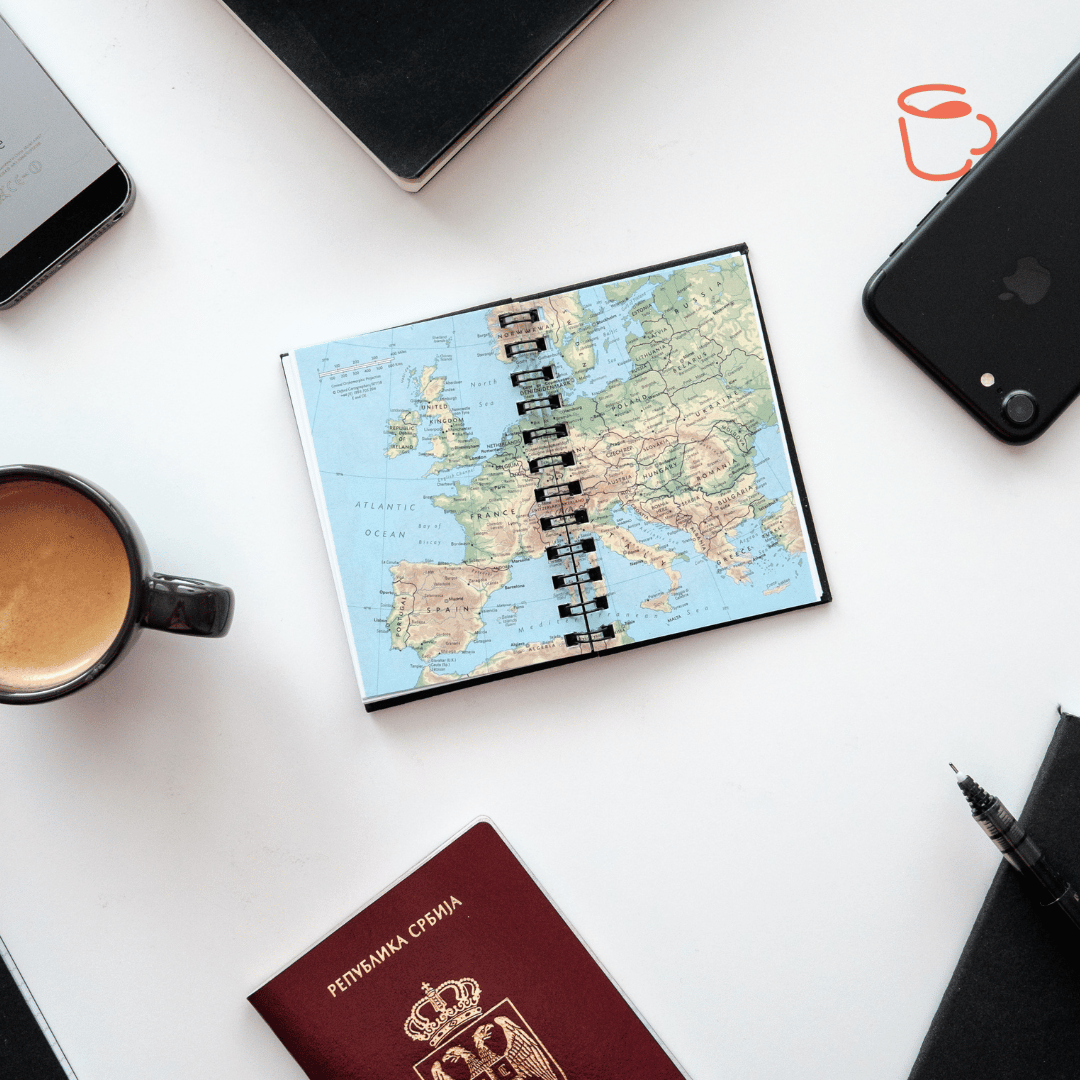
Conversational Fluency - Travel Edition - If this passport could talk
Travel leaves you speechless…then turns you into a story tellerEnglish
Confirmed Immediately
45min 1,100P
-
Mastering Conversational Fluency - Episode 2
Beyond Small TalkEnglish
Confirmed Immediately
60min 1,000P
-
-

Business English fluency and natural speaking lesson
Strategies for natural, confident communication and advanced English expression.English
Confirmed Immediately
60min 1,000P
-

Building Blocks to Brilliant Writing
Learn how to create clear, connected, and effective English texts.English
Confirmed Immediately
45min 1,000P
-
The Truth Is Out There...One-on-One Conversation
Theme: Conspiracy TheoriesEnglish
Confirmed Immediately
60min 1,100P
-
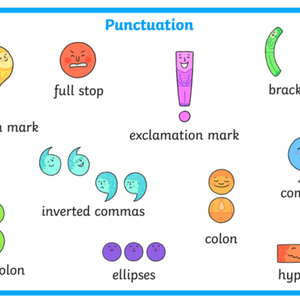
Punctuation Saves Lives!
How tiny marks create big misunderstandings.English
Confirmed Immediately
45min 1,100P
-

Modal Verbs: Mastering Nuance
Expressing ability, permission, obligation, and possibility in English grammar.English
Confirmed Immediately
30min 1,000PLezioni di prova
-


Conversation Fluency Lesson Plan
Talk more! Sound more naturalEnglish
Confirmed Immediately
60min 1,000P
-

Call of Duty - Warzones
Where strategy, language, and real-world skills come togetherEnglish
Confirmed Immediately
30min 1,000PLezioni di prova
-


Grammar - Comparatives (Trail lesson)
Bigger, Better, Smarter: Mastering ComparativesEnglish
Confirmed Immediately
15min 300PLezioni di prova
-

Perfect - Ed Sheeran - Listening and comprehension
From Lyrics to Meaning: Building Listening Power with Ed SheeranEnglish
Confirmed Immediately
40min 1,000PLezioni di prova
-

Business English - Email Etiquette
It’s not just what you say in an email—it’s how you say it that gets resultsWriting & Naming
Confirmed Immediately
30min 1,100PLezioni di prova
-

Social Media - Hurtful or Harmless?
We all scroll, like and share, but is social media helping us or hurting us? English vocabulary and collocations.English
Confirmed Immediately
30min 1,000PLezioni di prova