
 日本語
 한국어
 简体中文
 繁體中文
 Italiano
 español
 Deutsch
 Русский


Reika O


Lesson Categories
Language Fluency
| Japanese | Native |
|---|---|
| English | Near-Native |
| Chinese | Daily conversation |
| Korean | Just a few words |
| Italian | Just a few words |
Tutor Stats
Cancellations
for last 3M
Camera
Lesson offered using...

Available Times
Tutor’s Columns
General Notices
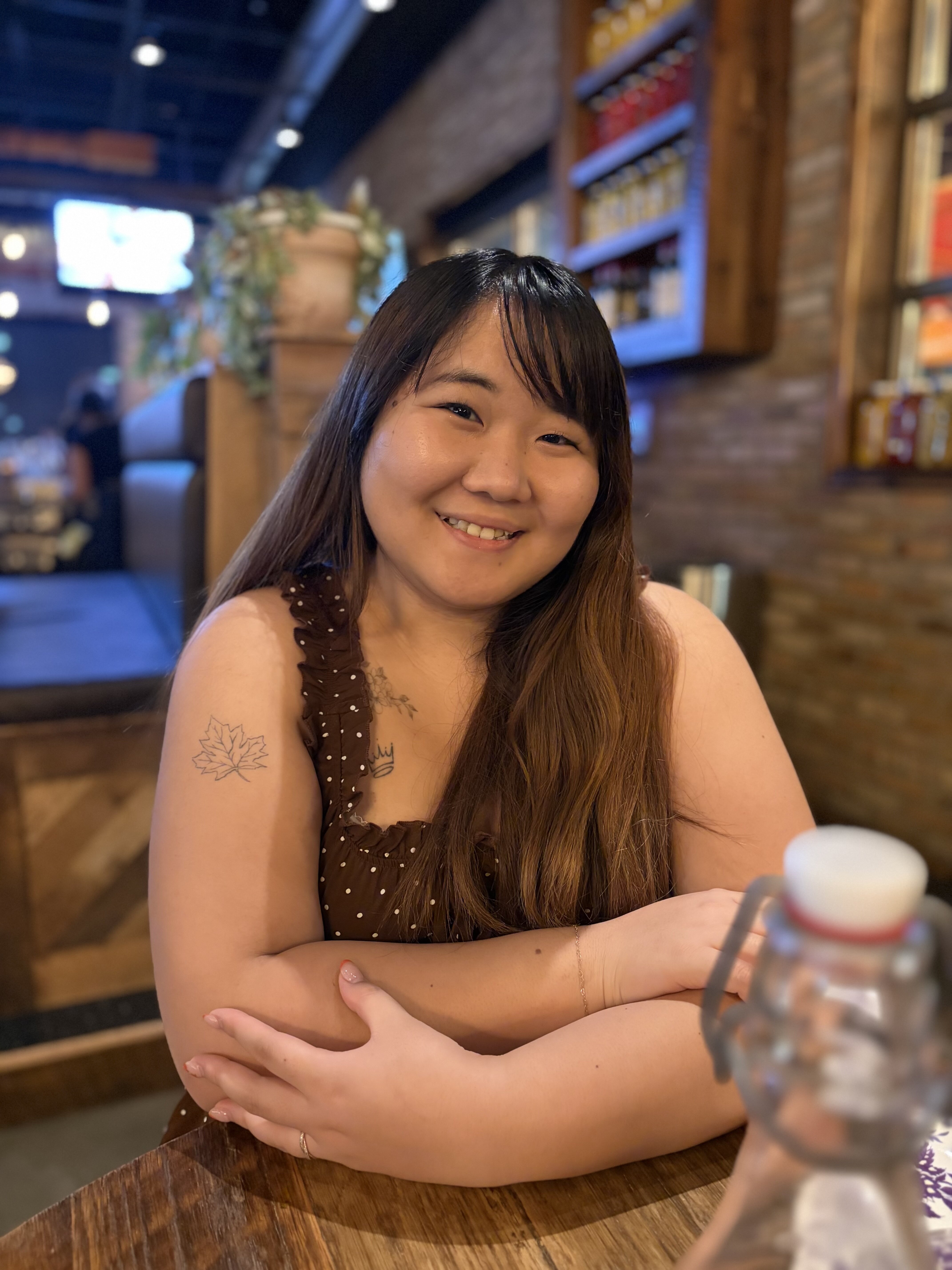
Welcome to my Profile
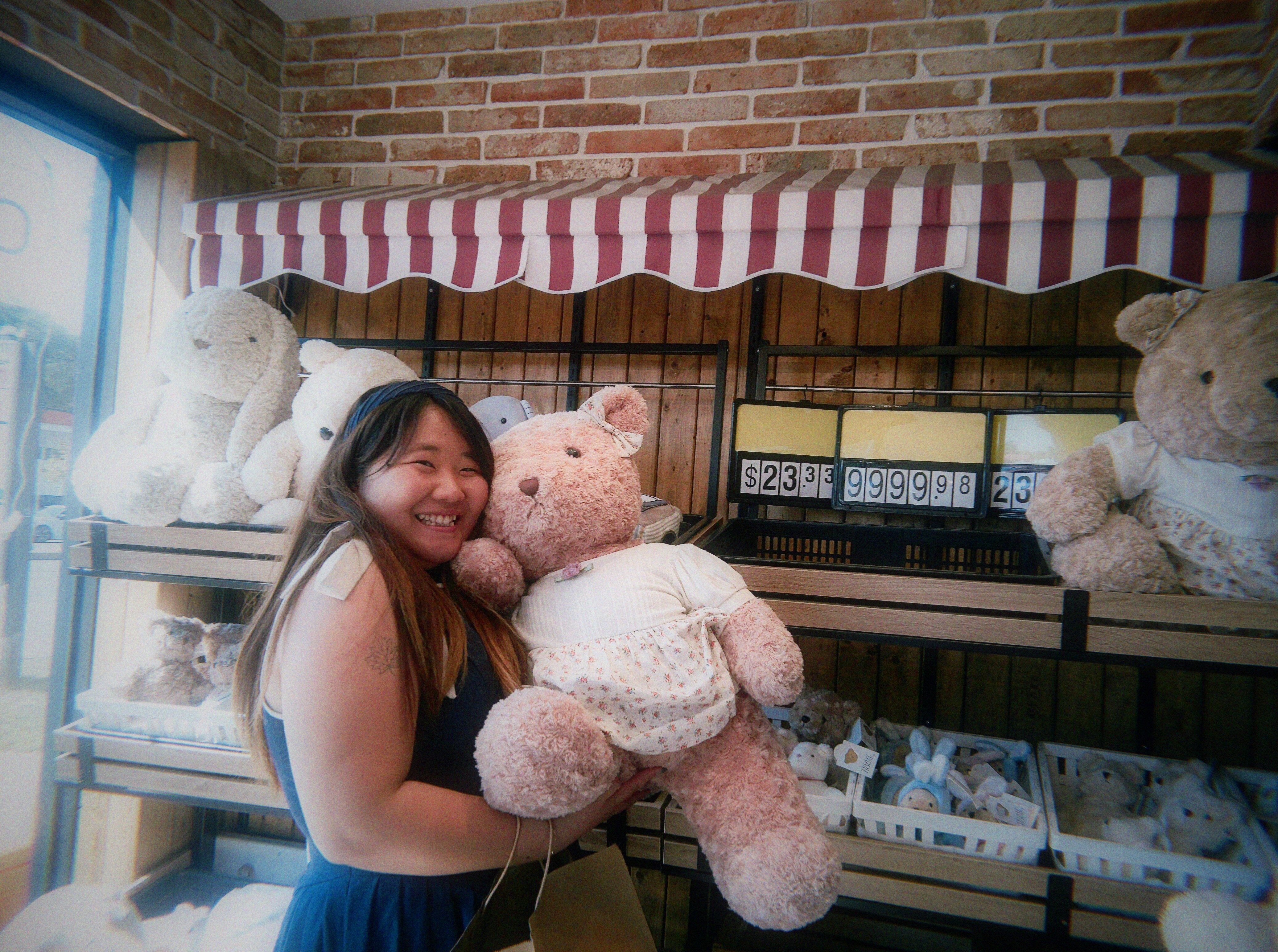
I am currently a full-time Japanese tutor on another platform, but I also offer some lesson on Cafetalk!
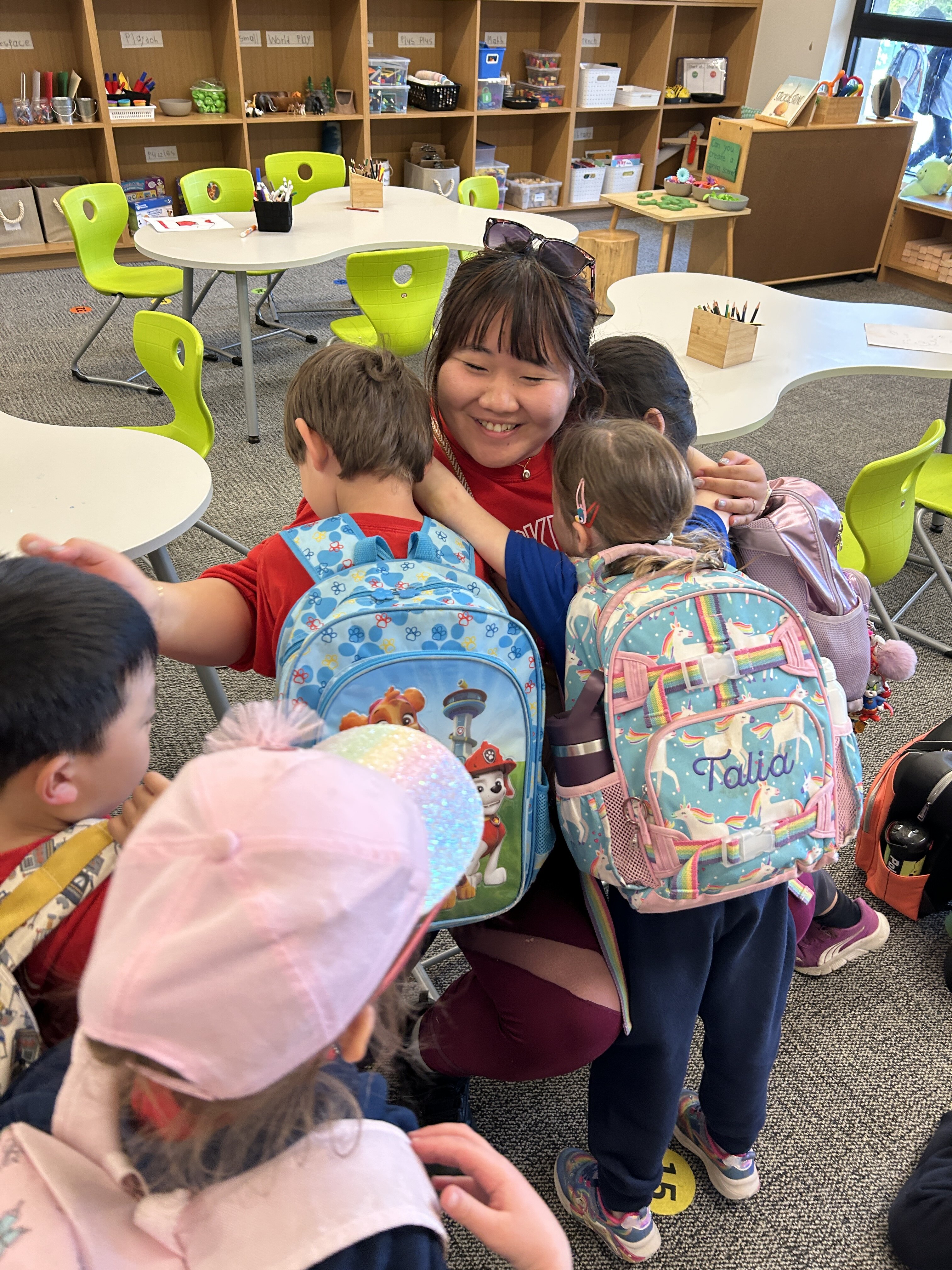

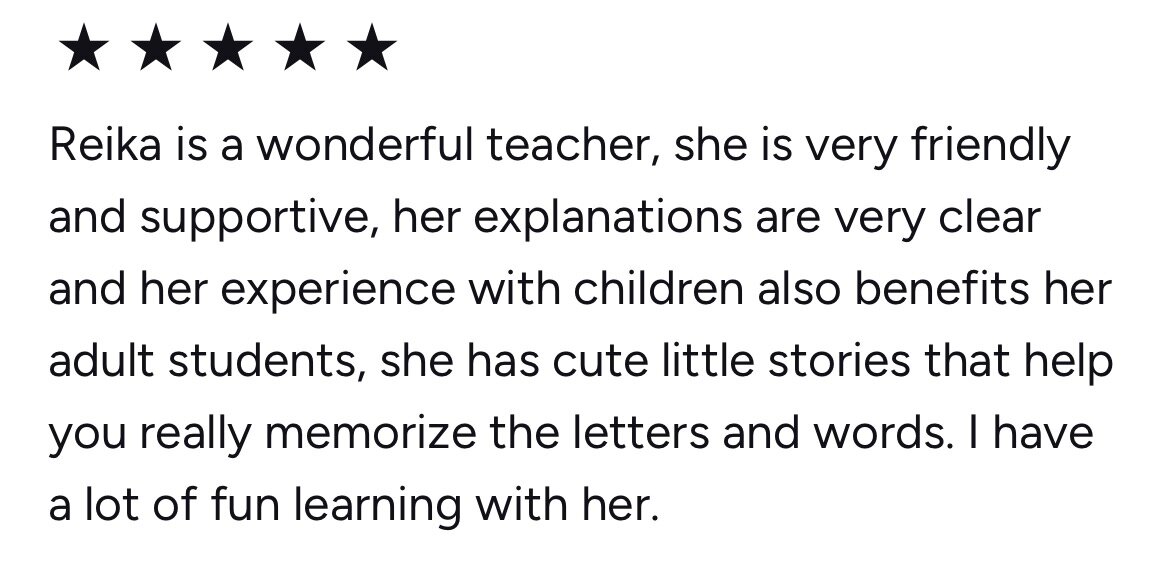
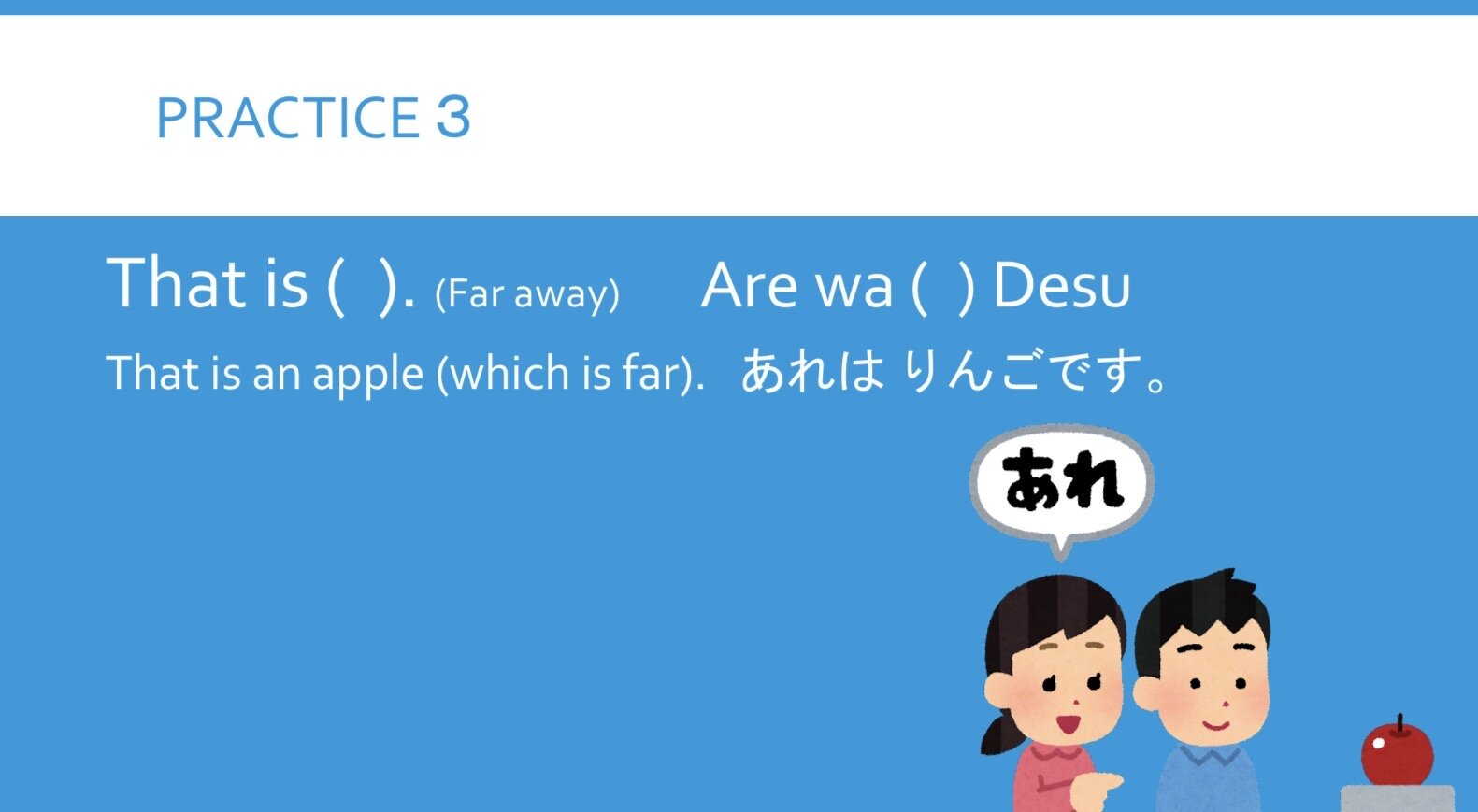
【Lessons for Children】

I mainly teach beginner children, especially ages 2 to 10.
Sitting still and listening to a long explanation? Not in my class!
We use songs, pictures, flashcards, games, and lots of repetition to learn Japanese naturally. Every child is different, so I adjust lessons based on their age, personality, interests, and learning style.
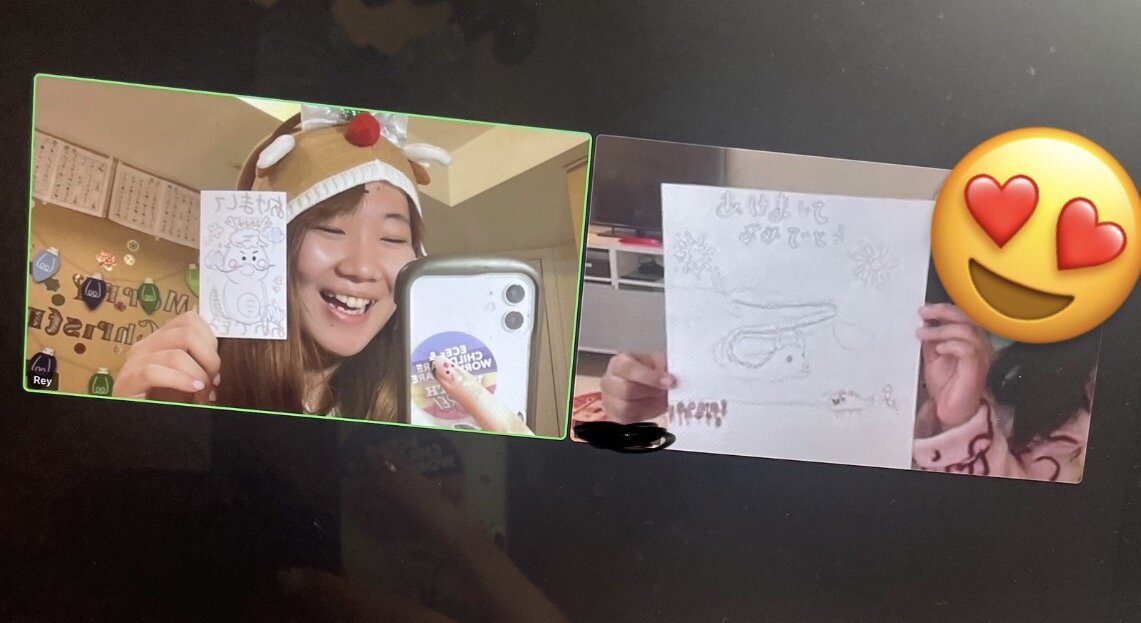
Some children love singing. Some love games. Some want to show me their toys for half of the lesson! That is okay. I use what they enjoy to help them connect with Japanese.
A general learning path may look like this:
1. Vocabulary
We start with useful vocabulary through pictures, songs, games, and conversation. Topics include greetings, numbers, emotions, body parts, animals, colors, family, food, weather, days and months, time, counting, and much more.
2. Hiragana
Once students have built some basic vocabulary, we begin learning Hiragana through picture flashcards, familiar words, songs, and interactive worksheets.
The goal is not just to memorize あいうえお in order. I want students to recognize Hiragana in real Japanese words!
3. Vocabulary II
Students begin reading vocabulary independently and connecting words they already know with Japanese writing.
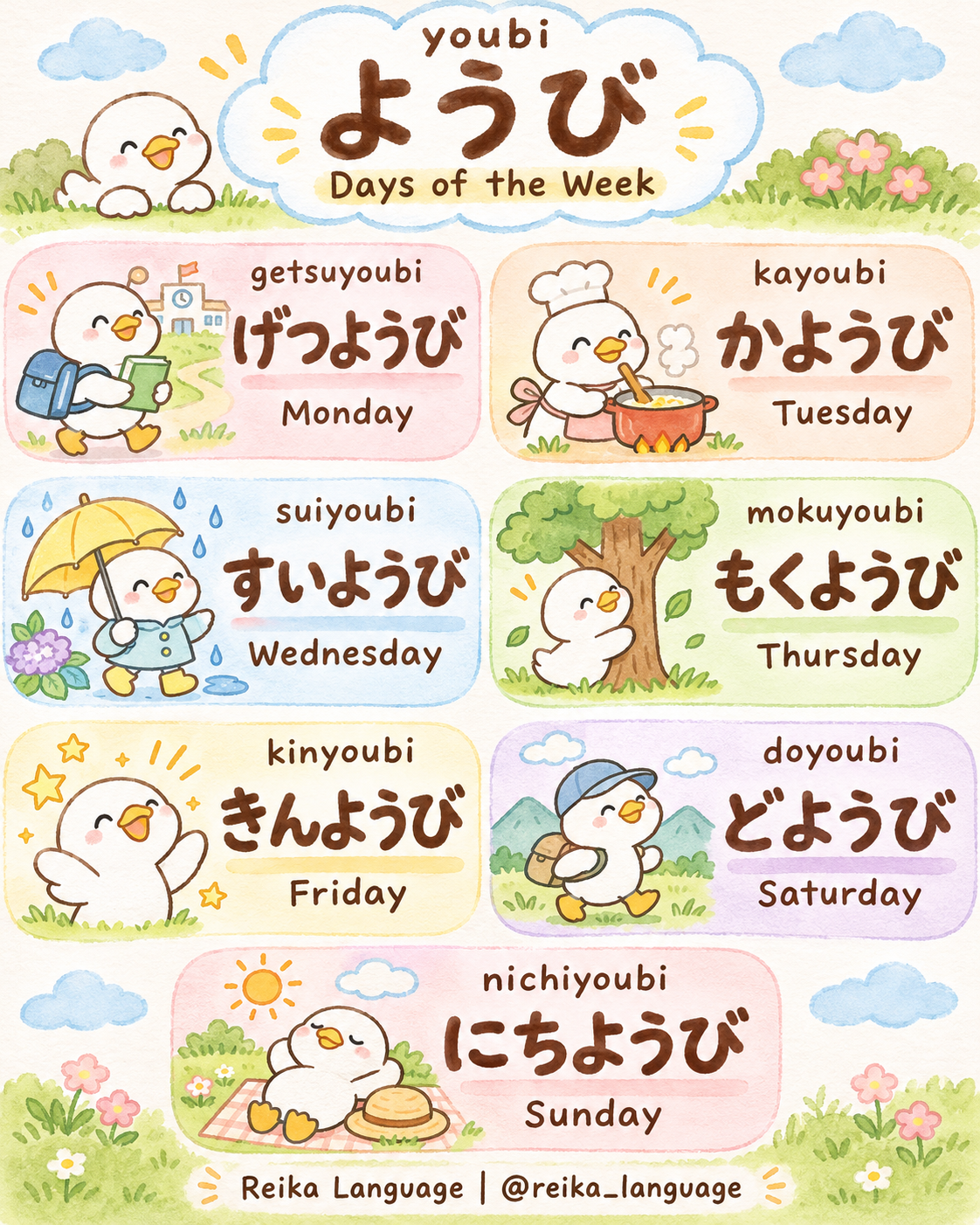
This is often the stage where children suddenly realize, “Wait... I can read Japanese!”
4. Katakana
We learn Katakana through a similar process using familiar words, pictures, reading activities, and interactive worksheets.
5. Grammar, Reading, and Conversation
As students progress, we begin using textbooks and my original materials based on their level. We slowly move from individual words to sentences, reading, grammar, and real conversations.
This learning path is only an example. Lessons are always adjusted to each student.

I can also create custom lessons based on your goals. Grammar, conversation, reading, JLPT practice, school support, or a mix of different skills — just tell me what you want to work on!
You do not need to wait until your Japanese is “good enough” to start speaking.
Actually using Japanese is part of learning Japanese!
My goal is not for you to finish a lesson thinking, “I studied a lot of grammar today.”
I want you to think:
“I understood Japanese.”
“I made my own sentence.”
“I actually spoke Japanese!”
For children, I want Japanese to become something they look forward to, not another subject they have to study.
For teenagers and adults, I want you to feel your progress and build the confidence to actually use what you learn.
Tell me your level, your goals, and what you enjoy. We can build lessons that work for you.
Let's turn “I studied Japanese” into “I can speak Japanese!”
I look forward to meeting you in a trial lesson!
This tutor's cancellation policy
Before request is confirmed (fixed)
- Cancellation possible at any time without charge.
(Not applicable for “Immediate Confirmation” lessons)
After request is confirmed (fixed)
- Less than 12hours before lesson start time.→ 100% of price charged.
- Between 12-24hours before lesson start time.→ 50% of price charged.
- No-Show→ 100% of price charged.
Lessons by this tutor
 All Lessons
-
-


Shorten lesson for preschoolers
It is hard for little children to focus on a whole class. Preschoolers/kindergarteners aged children who would like to take my Japanese or English lesson can chose this short version of the lesson.English for Kids Confirmed Immediately
25min 1,800P
-


子ども向け英会話レッスン
カナダの現役保育士による英会話レッスンです。私たちが幼い頃保育園や幼稚園で話し方を覚えたように、そして英語圏の子どもたちが発音を覚えるのと同じように、ネイティブの英語を一から教えます。English for Kids
Confirmed Immediately
45min 2,300PHas Trial -

旅行前にこれだけ!12シチュエーションで学ぶ実践トラベル英会話
英語が苦手でも大丈夫!空港・ホテル・レストラン・買い物など、海外旅行で本当に使う英語をシチュエーション別に練習します。English
30min 2,000P -
-
-
-


Japanese Lesson for Kids
Just like the circle time in preschool! Fun and best Japanese lesson from Native Japanese speaker who works as a daycare teacher in Canada!Japanese for Kids
Confirmed Immediately
45min 2,300PHas Trial -

Japanese Listening&Speaking- NHK Easy Japanese
The class to improve your Japanese listening and speaking.Japanese
50min 2,500PHas Trial -

Japanese free talk
Let’s talk with me who is native Japanese speaker, was born and raised in Japan! I live in English speaking country right now and can explain or discuss in English as needed.Japanese
30min 1,500P -

JP/ENG Long Lesson
If you request longer lesson with any topic, any textbooks, or even the free talk, book this and lmk what you wanna learnJapanese
60min 2,800P


Feedback from students
-

-
 Professional Easy to talk to Feedback after the lesson
-
 Content rich Caters to your level Able to explain in Japanese
-
 Professional Easy to talk to Courteous and thorough
-
 Fun Good for in-depth study


***6_RZ