
 English
 日本語
日本語
 한국어
한국어
 简体中文
简体中文
 繁體中文
繁體中文
 Italiano
 español
 Deutsch
 Русский


みなさんは、日本語で天気予報を見たことがありますか?
天気予報で、この時期によく聞く言葉があります。
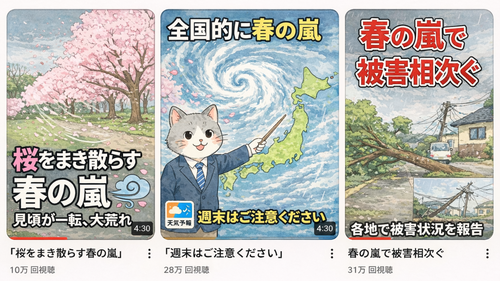
それは、「春の嵐(はるのあらし)」です。
「春の嵐(はるのあらし)」とは、
3月から5月ごろに、日本の近くで急に発達(はったつ)する低気圧(ていきあつ)によって、
強い風や雨が起こることです。
ときには、台風(たいふう)のような強い風になることもあります。
また、冬が終わってからその年に初めてふく暖かい南風(みなみかぜ)を、
「春一番(はるいちばん)」と言います。
春といえば、暖かくて過ごしやすいイメージですが、
実は、天気の変わりやすい季節です。
暖かいときと、寒いときの温度の違いを、「寒暖差(かんだんさ)」と言います。
春は気温が上がったり下がったりしやすいため、この言葉がよく使われます。
もし、春に日本旅行に来るときは、
寒暖差(かんだんさ)に注意して旅行を楽しんでくださいね。
Have you ever watched a weather forecast in Japanese?
At this time of year, you may often hear some seasonal terms.
Haru no arashi (spring storm) refers to strong winds and heavy rain caused by rapidly developing low-pressure systems between March and May.
Haru ichiban is the first warm south wind of the year after winter, and kandansa means the difference in temperature between warm and cold days.
Spring may feel warm and comfortable, but the weather can change quickly.
If you visit Japan in spring, be careful of these sudden changes.







コメント (0)