
 日本語
日本語
 한국어
한국어
 简体中文
简体中文
 繁體中文
繁體中文
 Italiano
 español
 Deutsch
 Русский


Nao705
from
in


New Students Welcome!
Lesson Categories
Language Fluency
| Japanese | Native |
|---|---|
| English | Near-Native |
Certificates
TOEIC
990 Points
This qualification has been verified by Cafetalk.
Tutor Stats
5,070
Lessons
547
Students
Less than 4 hours
Response
No Short-Notice
Cancellations
for last 3M
Cancellations
for last 3M
NDA
accepted
Video
Camera
Camera
using
9 hours ago
logged in
Confirmed Immediately
Lesson offered using...

Lattep
Available Times
This tutor usually accepts requests up to 12 hours before the desired lesson time
Schedule visible to 1 month(s)
Actual availability may differ. Please check when you make a request.
Shown in Asia/Tokyo time.
Tutor’s Columns
Columns from this tutor to Cafetalk students.
最近、長くレッスンを続けてくださっている生徒さんから、 「まだ全部わかるわけではないけれど、字幕なしでも映画やドラマを楽しめるようになりました」 というお話を聞くことが増えました。 字幕...
発音レッスン基本編で使用するプリントが、新しくなります。 発音レッスン基本編では、一つひとつの音を練習するなかで、みなさんの土台の発声や発音はもとより、英語の音の聞こえ方や、英語全体のとらえ方も...
学校では、 will = 未来 と習います。 もちろん、will が未来のことを話すときによく使われるのは確かです。 でも、実際の英語を見ていると、「未来」だけでは、どうも掴みきれな...
長く発音を教えながら、 ずっと不思議に思っていたことがあります。 子どもは、新しい言葉の音を、 比較的すっと取り込むことがあります。 一方、大人になってから英語を学ぶ日本人にとって、 発音は...
以前、小さな観察メモで、 「go は本当に『行く』なんだろうか」 ということについて書いたことがあります。 きっかけは、Here you go. という表現でした。 「はい、どうぞ」と訳され...



General Notices
Sep 7, 2026
Aug 25, 2026
Nao705 Tutor Profile
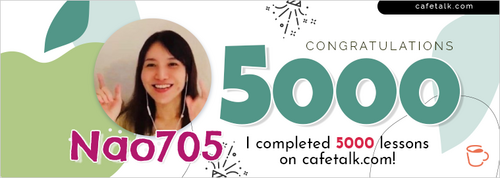
Hi, I’m Nao.
You know the words. You understand the grammar. But when you try to speak, it still does not come naturally.
That frustration may not be caused by a lack of knowledge or practice.
I did not grow up surrounded by English. I did not attend an international school, and no one in my family spoke English.
I grew up immersed in Japanese, seeing and making sense of the world through it.
From that starting point, I learned to examine my instincts in English closely—developing what I had naturally grasped and correcting the places where those instincts were off.
Today, people who hear me speak sometimes tell me they forget that English is not my first language.
That is why I understand what it is like to have years of study behind you and still feel that your English has not quite come together.
Some learners who had studied pronunciation and grammar for years have told me that, in my lessons, English began to come together for them as a whole for the first time.
You can develop a much more natural feel for English even if you grew up in Japan or began learning as an adult.
Learning English is not determined by age or talent alone.
My goal is not simply to give you more ready-made sentences to use.
I help you develop the underlying feel for the language that lets you hear what is happening, sense what fits, and use English as your own.
In pronunciation lessons, we work with how the mouth, throat, and body coordinate to produce American English. We approach sound through physical sensation, resonance, and rhythm—not just mouth positions.
As you learn to perceive the differences between sounds and recognize the resonance of natural English, the way you hear English begins to change as well.
In grammar lessons, we explore how English and Japanese organize and present experience differently.
Grammar gradually becomes something you can feel and judge for yourself, rather than simply a set of rules to memorize.
How English sounds.
How it feels.
How you decide what sounds right.
When the foundation beneath the words changes, the English that comes out changes too.
As sound, rhythm, and thought begin to connect, English feels less like something you have to build word by word and more like something that begins to come on its own.
What once felt like borrowed language gradually becomes your own.
Who My Lessons Are For
My lessons may be a good fit if you:
- Perform well on tests but lack confidence in real conversation
- Use English at work but feel that you are always “just getting by”
- Have studied pronunciation and grammar but still have not developed a feel for English
- Spend a great deal of time with English but do not feel that a natural sense of the language is developing
- Are interested in immersion, or are already doing it, but are unsure what to listen for or how to take it in
- Are returning to English after a long break and feel a little nervous about starting again
- Want a relaxed, sustainable way to absorb English naturally in everyday life
People come to English with different goals.
You may want to:
- Communicate more comfortably in real-life situations
- Enjoy English and the cultures connected to it
- Use English more actively and confidently at work
- Continue learning at a comfortable pace over the long term
Whatever your goal, I believe I can help you move toward English that feels natural and genuinely usable in your everyday life.
For professionals, the difference can be especially meaningful.
When English shifts from being merely a way to get a message across to a language for thinking, making decisions, building relationships, and moving work forward, the way you participate begins to change.
Meetings, negotiations, small talk, and decision-making all feel different when you can engage actively rather than simply react.
Which Lesson Should I Take?
If you would first like to talk about your goals:
If you are interested in both pronunciation and grammar:
If you would like to work on pronunciation:
If you would like to develop a more natural sense of grammar:
If you would like to know how your English currently sounds:
If you would like to improve through regular writing:
If you would like to bring English gently into your everyday life:
You are also welcome to bring a specific pronunciation question, such as an R or TH sound or a particular word you would like me to check.
We can focus on these within either the 45-minute pronunciation lesson or the 90-minute pronunciation and grammar lesson.
For presentations, meetings, interviews, business introductions, and other specific needs, please choose a customized English lesson.
For TOEIC preparation and score improvement:
To review your learning approach, including immersion and how you engage with English in daily life:
About Me
I am a native Japanese speaker and have spent most of my life in Japan.
I did live abroad as a young child, but I remember very little of that time and did not acquire English then.
As an adult, I spent roughly a year and a half in the United States and the United Kingdom combined, including about six months at a language school in Seattle.
Most of my schooling was in Japanese public schools, and I did not major in English at university.
My time abroad was valuable, but it does not by itself explain my current level of English.
Most of the work happened in the middle of an ordinary Japanese-speaking life. I kept asking what genuinely worked for me, trying different approaches, paying close attention, and adjusting what did not work.
I do not have an exceptional memory or extraordinary willpower.
I took plenty of detours, gradually identifying methods that made a real difference and could also be adapted to help other learners.
I have earned a perfect TOEIC score of 990 multiple times and have worked with English for many years through teaching, translation, and communication with international clients.
I have about 24 years of teaching experience.
What I Value in My Lessons
My lessons are not only about how to study English.
They are about helping English become something you can receive, understand, and use more naturally.
I draw on the approaches that genuinely helped me, together with methods that have repeatedly proved effective throughout my teaching career.
The goal is not simply to accumulate knowledge. It is to build a foundation that allows you to keep observing, adjusting, and developing your English independently outside lesson time.
I do not expect you to fill every hour of your life with English.
You might watch a short video, listen to a conversation or a song, or spend a moment with a word that catches your attention.
I help you notice what matters and engage with English in a way that allows those small everyday encounters to stay with you, rather than simply pass by.
There is no magic shortcut.
What I can offer is clear, concrete guidance on where to direct your attention and what to adjust so that English can develop more naturally in your everyday life.
Why English May Still Feel Disconnected
The problem is often not the amount of knowledge you have.
It may be that the sound and thought patterns you use to receive and produce English do not yet align with English itself.
When Japanese speakers learn English, they often approach it unconsciously through the tools of Japanese—the sound patterns, rhythms, and habits of thought they already know.
Trying to learn English entirely through those tools can be like trying to play baseball with a cricket bat.
You may become highly skilled at compensating, but you are still practicing with a tool designed for a different system.
The same thing can happen with English.
Pronunciation, grammar, rhythm, and even the way ideas are organized may be filtered and reshaped through Japanese before they are fully perceived.
Exposure and immersion are extremely valuable.
However, if you have already developed a strong habit of hearing and interpreting English through Japanese sound patterns, word order, and ways of organizing meaning, simply adding more input may reinforce that habit.
Instead of perceiving English on its own terms, you may become more practiced at processing it through Japanese.
What matters is not only how much English you take in, but also what you notice and how you receive it.
English and Japanese differ not only in vocabulary and grammar, but also in rhythm, structure, and the way thought unfolds.
Without noticing those differences, you may gain knowledge and spend many hours with English while still finding that it does not quite come together when you need to use it.
In my lessons:
- Pronunciation is understood through physical sensation, resonance, rhythm, and the coordination of the mouth, throat, and body
- Grammar is explored through differences in how English and Japanese organize experience and thought
- Vocabulary is connected to its core meaning, including the situations, images, and emotions that surround it—not only to a Japanese translation
You do not need to aim for perfection from the beginning.
What matters is noticing the differences, experiencing English as it is, and gradually becoming familiar with a new set of tools.
As your attention shifts, the sounds, rhythms, and structures of English begin to feel more natural.
Over time, English becomes less something you consciously assemble and more something you can draw on naturally as your own language.
Areas of Specialization
- American English pronunciation
Physical sensation, resonance, rhythm, and coordination of the mouth, throat, and body
- English grammar for speaking
Differences between how English and Japanese organize experience and thought
- TOEIC coaching
Study planning, score-focused strategies, and analysis of individual weaknesses
- Integrated English skills
Reading aloud, news, writing, English diaries, listening, and speaking
- Consultations and coaching
Lesson planning, English-learning strategies, TOEIC, immersion, and other individual needs
Lessons are available from beginner to advanced levels.
I work primarily with Japanese-speaking adults, as well as motivated high school and university students.
Lessons are generally designed for continued study, but one-time and occasional lessons are also welcome.
Qualifications
- TOEIC 990 (multiple times)
Teaching and Professional Experience
Outside Cafetalk:
- General English and conversation lessons, from complete beginner to advanced
- Business English
- TOEIC courses at beginner, intermediate, and advanced levels
- Eiken preparation, from Grade 3 through Grade 1 level
- Corporate English training
- Intensive university TOEIC courses
- English grammar courses at a translation school
- Pre-departure lessons for employees moving overseas
- Contract and legal document translation
- English-language business support and communication with international clients
- One-on-one Japanese language support
On Cafetalk:
- Teaching since fall 2020
Interests
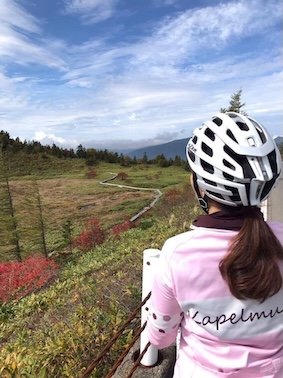
Travel (15+ countries), art and design, cycling, and birdwatching.
My cycling experiences include riding around Lake Biwa and cycling up Mount Fuji.
On weekends, I enjoy walking in nature.
Notes and Policies
Please read the following before requesting a lesson.
Eligibility
Lessons are intended primarily for adult Japanese speakers who want to use English naturally as their own language.
Motivated high school and university students are also welcome.
Please contact me in advance regarding lessons for middle school students.
Lesson Format
Lessons are generally designed for continued study, but one-time and occasional lessons are also available.
Lessons with Friends or Family
Friends, family members, and study partners may be able to take lessons together when the lesson format is suitable.
Most pronunciation, grammar, consultation and coaching, TOEIC, customized, and writing lessons can be adapted for more than one participant. Some lessons are excluded.
Learning with another person can also lead to useful observations and a wider range of perspectives.
Because the lesson format and booking process differ slightly from those for individual lessons, please contact me in advance.
Group participants can book at a lower point rate per person.
Booking Requests
When booking for the first time, please include a brief introduction and tell me what you would like to work on.
If you are choosing a different type of lesson from one you have previously taken, please also let me know why you ed it.
Requests without a message may be declined.
Platform
Lessons are conducted via Zoom.
Cancellations and Changes
Cancellations made at least 24 hours before the scheduled start time will receive a full point refund. Rescheduling is also available.
For student-initiated cancellations made less than 24 hours before the scheduled start time, all points used for the booking will be forfeited. This applies regardless of the reason, including connection problems on the student’s side.
Changes to another date are not normally accepted once the lesson is less than 24 hours away. Please cancel the original booking and submit a new request.
Depending on the circumstances, a last-minute cancellation may be recorded as a No Show and the lesson marked as completed.
Even when a cancellation or change is made more than 24 hours in advance, I kindly ask that you keep confirmed-booking changes to a minimum and complete any necessary procedures promptly through Cafetalk.
Repeated cancellations, changes, or mistaken bookings may result in future requests being declined.
If I have to cancel a lesson less than 24 hours before its scheduled start time, all points will be refunded. Depending on the circumstances, I will also offer a lesson extension of approximately 5–10 minutes or a discount.
Scheduling and Same-Day Bookings
Lessons of 20 to 90 minutes may be requested in any available time slot. You may also book multiple lessons up to one month in advance.
To make the schedule available to as many students as possible, please book at either end of a larger open block whenever reasonably possible, rather than in its exact center.
When booking two 45-minute lessons within a 90-minute block, the system may not allow you to submit the second request. If the time is still open, the second lesson may nevertheless be available, so please feel free to contact me.
If a slot opens unexpectedly, same-day bookings may be made up to two hours before the lesson. I may occasionally be able to accommodate even later requests.
Response Times
Messages, scheduling questions, assignments, and inquiries from new students may be sent at any time.
On teaching days, I generally respond the same day to messages and assignments received between 8:30 a.m. and 5:00 p.m. JST.
Messages received after 5:00 p.m. or on a day off will generally be answered the following day or on my next teaching day.
For urgent inquiries, I normally send at least an initial response within 24 hours. Responses may take longer during holidays or extended breaks.
Questions About Learning
Questions about lesson content, learning strategies, or the purpose and approach of a course should normally be discussed during lesson time.
Brief questions about scheduling or assigned preparation are welcome by message.
Reviews and Feedback
I appreciate it when students share, in their own words, what they noticed, learned, or found helpful in a lesson.
Lesson Packages
Packages of 20- and 45-minute lessons are intended for weekday lessons beginning no later than 5:00 p.m. JST.
For evening lessons, weekends, and national holidays, please book a single lesson or contact me about the additional points required.
Packages of 90-minute lessons may be used at any available time.
Package expiration dates cannot be extended. However, I may be able to open additional time slots outside my regular schedule, so please feel free to ask.
Extended Breaks from Study
If you plan to take an extended break from lessons, please let me know in advance.
When you are ready to return, you are also welcome to book a consultation lesson before resuming regular study.
Days Off and Longer Holidays
My schedule is normally available one month in advance.
Occasional days off are shown directly on the schedule. Longer holidays or substantial changes made after the schedule has been published will be announced separately.
Regular days off:
- Sundays
- Mondays
- Japanese national holidays
Longer breaks of approximately one week may be taken around:
- Japan’s summer Obon period
- The year-end and New Year holidays
- Golden Week
- Other periods as announced
Recording
Audio and video recording is permitted only for the student’s own review and may be kept and viewed for up to 30 days.
Recordings held by the instructor will be deleted after 30 days. Any recordings saved by the student should also be deleted promptly after review and no later than the end of the 30-day period.
Recordings may not be shared with third parties, reposted, or redistributed.
Lesson Content, Materials, and Teaching Methods
All original lesson content, materials, and teaching methods are the property of Nao705.
They may not be reproduced, shared, used by third parties, or distributed without permission.
Featured Interview
Q. Hi Nao705! Thank you for taking the time to do this interview. May we ask you to briefly introduce yourself? A. Hello. I’m Nao705, an English language tutor.At Cafetalk, I offer pronunciation and grammar lessons designed to help you build a solid foundation based on the “mechanics of English sounds and word order,” rather than simply memorizing, so that English comes more naturally to you.As s...
This tutor's cancellation policy
Before request is confirmed (fixed)
- Cancellation possible at any time without charge.
(Not applicable for “Immediate Confirmation” lessons)
After request is confirmed (fixed)
- Less than 24hours before lesson start time.→ 100% of price charged.
- No-Show→ 100% of price charged.
Lessons by this tutor
 All Lessons
-

【夏限定|8/17まで受付】通話なし・毎日ミニメッセージ型サポート(7日間)
この夏だけの7日間体験です。2026年8月17日まで、対象の100%OFFクーポンで0ポイント。Zoom通話・提出課題・返信なし。1か月サポートを初めて申し込む方への+7日とは別の特典で、期間中に両方へ申し込むと、無料で追加される期間は合計14日間になります。0min 700P -
【1ヶ月サポート】毎日15分の英語に触れる習慣を育てる(初級〜上級OK)
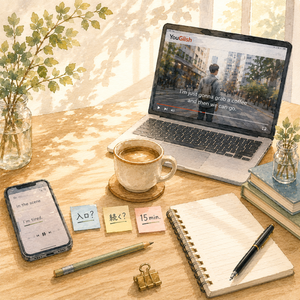
一回のお申し込みで、購入日から1ヶ月間、短い英語のテーマやリンクが届く習慣づくりサポートです。Zoom通話・提出課題・返信はありません。【夏限定|8/17まで】初回申込みで+7日。別途、7日間無料体験にもお申し込みいただくと、通常の1か月に加えて、合計14日間の無料期間が追加されます。0min 1,500P -

⭐初回おすすめ|新規生徒向け 発音と英文法を同時に体感する90分[Zoom] (英語の発音矯正+ネイティブ感覚の英文法)
人気の発音と文法を、「初回限定」で一度に。 英語が噛み合わない原因を、発音×文法の両面から感覚レベルで確認します。English 90min 7,200P
 -
-
-

あなたの英語は自然?|英会話の自然度診断(実際の会話から英語の「癖」を分析)
わたしの英語、自然かな? ちゃんと伝わってるかな? 気軽に話してみて、今どんな状態か見ていきます。 15分ほどの英会話をもとに、 あなたの英語の「処理状態」と「運用状態」を観察し、 今の英語の状態を整理して、後日わかりやすくまとめたレポートをお届けします。 ※試験や評価を行うものではありませんので、リラックスしてご参加ください。English
20min 4,000P -

⭐人気|【発音|基本】英語の発音矯正(アメリカ英語)45分|日本育ちの講師が教える、英語の響きを根本から整えるセッション
「知っている英語」が、なぜ「聞こえる英語」にならないのか。その根本的な原因を特定し、その場で「発声の仕組み」から整えます。English
45min 3,900P -

【発音|基本】英語の発音矯正(アメリカ英語)90分|英語の響きをじっくり整えるロングセッション
「知っている英語」が、なぜ「聞こえる英語」にならないのか。その根本的な原因を特定し、その場で「発声の仕組み」から整えます。English
90min 7,800P -

⭐人気|【発音|基本】英語の発音矯正(アメリカ英語)45分 × 平日17:00まで限定5回パック[Zoom]
自信をもって、通じる、聞ける、自然な発音を本気で整えたい方へ。平日17:00まで利用できる、続けやすい発音パック。English
45min X 5 18,000PPack of 5 -

⭐人気|【発音|基本】英語の発音矯正(アメリカ英語)90分×3回パック|全時間帯OK・深く集中して響きの再現性を一段引き上げるセッション
「知っている英語」を「一生ものの響き」へ。90分×3回の深い没入セッションで、英語の発声・響きの仕組みを根本から整え、身体に馴染ませながら再現できる感覚へと導いていきます。English
90min X 3 21,500PPack of 3 -
メンテナンス|【発音|基本】英語の発音矯正(アメリカ英語)20分|感覚を崩さないためのショートセッション
つかんだ感覚を、ズレたままにしないために。短時間で正確に整える、発音のメンテナンスレッスン。English
20min 2,500P -
メンテナンス|【発音|基本】英語の発音矯正(アメリカ英語)20分×5回パック|平日17:00まで限定・感覚を崩さないための定期調整セッション
つかんだ感覚を、ズレる前に整える。短時間で「今の自分の響き」を正確に保つためのメンテナンスパック。English
20min X 5 10,000PPack of 5 -

継続者向け|【発音|応用】 市販テキストで行う発音練習(45分)
決まった素材で、音の精度と安定感を仕上げていく応用発音。 ※発音|基本 修了者/講師推薦者専用English
45min 3,900P -

継続者向け|【発音|応用】 市販テキストで行う発音練習 90分 × 3回パック
日常的なフレーズを響きを崩さずいつでも使える状態へ。集中して積み上げたい方向けの応用パック。 ※発音|基本 修了者/講師推薦者専用English
90min X 3 21,500PPack of 3 -

⭐継続者向け|【発音|応用スペシャル①】 自分の英文を“音に落とす”発音練習(45分)
自分の思いを、崩れない響きで口に出せる状態へ。 ※発音|基本 修了者/講師推薦者専用English
45min 3,900P -

継続者向け|【発音|応用スペシャル②】 会話の中で響きを保つ発音練習(45分)
実際のやり取りを素材に、音の状態を整えていく。 ※発音|基本 修了者/講師推薦者専用English
45min 4,000P -

継続者向け|【発音|応用スペシャル② 専用】 会話スクリプト用ミニ英会話(15分)
応用スペシャル②で使う音声を録るための専用セッション。 ※発音|基本 修了者/講師推薦者専用English
15min 1,500P -

⭐【文法|話すための英文法】ネイティブ感覚の英文法 (日本語版 Grammar in Use 使用)45分[Zoom]
暗記しない。 英語で判断できる「文法感覚」を、思考レベルから組み替えるレッスン。English
45min 3,900P -

【文法|話すための英文法】 ネイティブ感覚の英文法 (日本語版 Grammar in Use 使用)90分[Zoom]
45分では届かないところまで。 英語の文法感覚を、深く・立体的に捉え直すための90分。English
90min 7,800P -
⭐️【文法|話すための英文法】 ネイティブ感覚の英文法 (日本語版 Grammar in Use 使用) 45分 × 平日・日中限定 5回パック[Zoom] ※火〜金/17:00まで
日本語の感覚のまま話してしまう方へ。構造から整える平日17:00まで限定パック。English
45min X 5 18,000PPack of 5 -


⭐人気|【文法|話すための英文法】 ネイティブ感覚の英文法 (日本語版 Grammar in Use 使用) 90分 × 3回パック[Zoom]
英語を“考えながら作る”状態を卒業したい方へ。深く取り組む90分×3回パック。English
90min X 3 21,500PPack of 3 -


⭐【完全オフライン・ライティング】 英語日記・7日間パック(日常フレーズ)有効期限30日
気楽に続けながら、英語らしい表現と考え方に出会い続けるライティングレッスンです。0min X 7 8,400PPack of 7 -

英語日記| パス単 英検1級 日記ライティング
覚えようとしないから、残る語彙がある。 英検1級レベルの抽象語彙を、 英語日記の中で、自然に綴っていく。0min X 7 10,500PPack of 7 -
-
-

継続受講生のための|英語の状態チェック(30分) ー ズレ確認&学習整理 ー
「今の進め方、このままで大丈夫?」 なんとなく気になっているタイミングで、現在の状態を整理するためのセッションです。0min 2,200P -

Twenty Years of Teaching♪ 英会話の学び方コーチング(45分)
【相談型(単発/定期利用OK)】こんなに英語を勉強してきたのに、なぜ話せないのか。English
45min 4,200P -

お久しぶりの方専用♪ 学習カウンセリング(20分)
久しぶりでも、大丈夫。 「また始めようかな」と思った今が、ちょうどいいタイミングです。 ※過去に一度でもNao705のレッスンを受けたことがある方専用[Zoom]English
20min 1,800P -

【3か月・独学サポート】 英会話の自然度診断付きプログラム
独学は一人で進めるもの。 でも、定期的に確認できる相手がいると、 迷わず続けやすくなります。[Zoom]English
15min X 12 25,000PPack of 12 -
-
-
-

Twenty Years of Teaching♪ 【カスタマイズ英語レッスン】40分[Zoom] ※要事前相談
発音・文法・表現・面接・英文チェックなど。 目的を絞って扱う、完全カスタマイズ型レッスン。English
40min 5,800P -

Twenty Years of Teaching♪ 【カスタマイズ英語レッスン】20分[Zoom] ※要事前相談
今ここだけ確認したい、を短時間で。 ピンポイント対応のショートカスタマイズ。English
20min 3,200P -
-
-
-
-

【講師限定】講師同士の雑談セッション(30〜60分・Zoom)
相談し合ったり、ただ雑談したり。 ゆっくり話して、少し息を抜く時間。 ※基本はZoomのビデオ通話です。 文字チャットのみ/音声のみ(カメラOFF)/ビデオ通話のいずれでも対応できます。0min 1,500P -

【講師限定】講師同士の15分雑談チャット(当日予約専用・Zoom)
今、ちょっと誰かと話したいときに。 文字チャット中心の、気軽な15分間のミニセッションです。 ※基本はZoomの文字チャットです。 ご希望があれば、音声のみ/カメラOFF/ビデオ通話にも対応できます。Others (Counseling)
15min 300P


Feedback from students
-

-
 Content rich Professional Caters to your level
 -
 Content rich Easy to talk to Able to explain in Japanese
 -
For beginners For intermediates Good for in-depth study
-
For beginners For intermediates Good for in-depth study


***ko50