English
 日本語
 한국어
 简体中文
 繁體中文
 Italiano
 español
 Русский


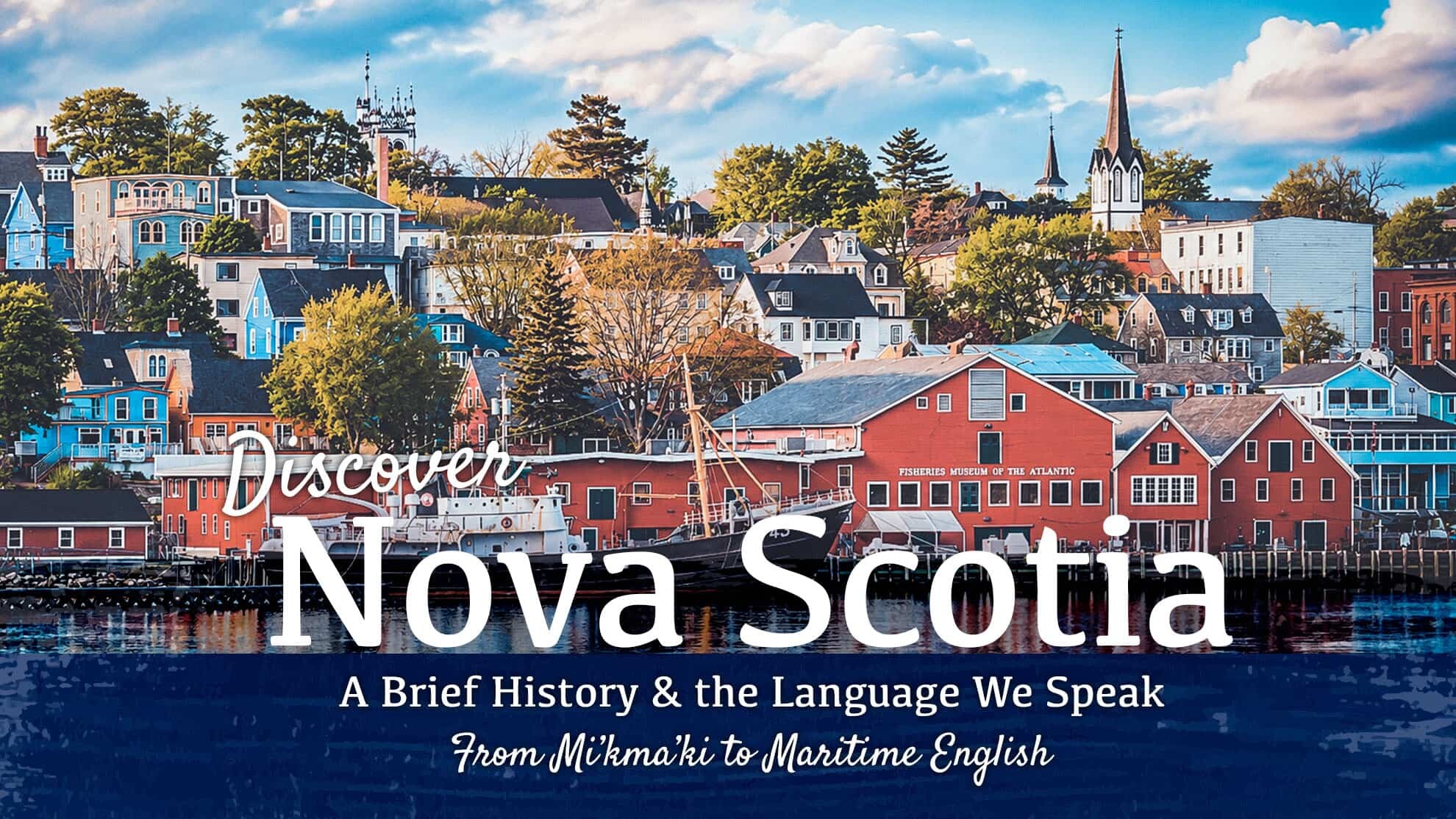
Discover Nova Scotia: A Brief History & the Language We Speak
From Mi’kma’ki to Maritime English
About the Seminar

Hello! My name is Stephanie, and I’ve been teaching English both in person and online since 2017.
I’m also a singer-songwriter, musician, and vocal coach, with over 20 years of experience in teaching and performing. I enjoy exploring the connections between language, culture, music, and everyday life, and finding creative ways to make English learning both enjoyable and meaningful.
Originally from Nova Scotia, Canada, I now live in Japan with my Japanese husband and our 17-year-old dog, Karin. Living between cultures has given me plenty of opportunities to learn new things, discover different perspectives, and appreciate the many ways people communicate and express themselves.
Outside of teaching and music, I enjoy cooking, solving puzzles, camping, hiking, and reading advance copies of books for publishers as a hobby.
I look forward to sharing my interests, experiences, and discoveries with you through my seminars!
Programs
Tutor Stephanie has many years of experience teaching English, specializing in literature, conversation, and cultural exploration. Originally from Nova Scotia, Canada, she enjoys sharing Canadian history, traditions, language, and culture with students around the world.
Her seminars combine English learning, storytelling, history, and personal experience to explore how language reflects the places we live, the communities we belong to, and the cultures that shape us.
- Introduction (3-5 mins) - An introduction to Nova Scotia and the distinctive character of Atlantic Canadian culture. We begin by exploring how geography, history, migration, and community have influenced the way people speak. Students are introduced to the central theme of the seminar: how the history of Nova Scotia can still be heard in its language, expressions, place names, music, and everyday conversations.
- Mi’kma’ki, Acadia & Early Nova Scotia (7-8 mins) - Explore the Indigenous history of Mi’kma’ki and the arrival of French settlers, the development of Acadia, and the lasting impact of British rule and the Acadian Deportation. We consider how these histories connect Nova Scotia with neighbouring Maritime communities, including Prince Edward Island, while acknowledging the languages and cultural traditions that existed long before English became dominant.
- Scottish Migration & Cultural Influences (5-7 mins) - Examine the arrival of Scottish immigrants and the influence of Gaelic language, music, storytelling, and traditions on Nova Scotia’s cultural identity. We also consider the contributions of African Nova Scotian communities and other groups, exploring how different histories and experiences have helped shape the province’s diverse cultural landscape.
- From Historical Influences to Maritime English (5-7 mins) - Explore how English became the dominant language while older languages and cultural traditions continued to leave their mark. We look at the relationship between regional identity, pronunciation, local vocabulary, and everyday communication, considering which expressions are particularly associated with Nova Scotia and which are shared more widely across Canada and the English-speaking world.
- Nova Scotia Vocabulary & Expressions (15-18 mins) - Discover a collection of colourful words and expressions. We explore their meanings, how they are used in conversation, and the differences between regional expressions, familiar Canadian English, and more widely used informal language. We also consider expressions such as “some good” and the many ways “nice” can be used in everyday speech, drawing on personal experience and examples to bring the language to life.
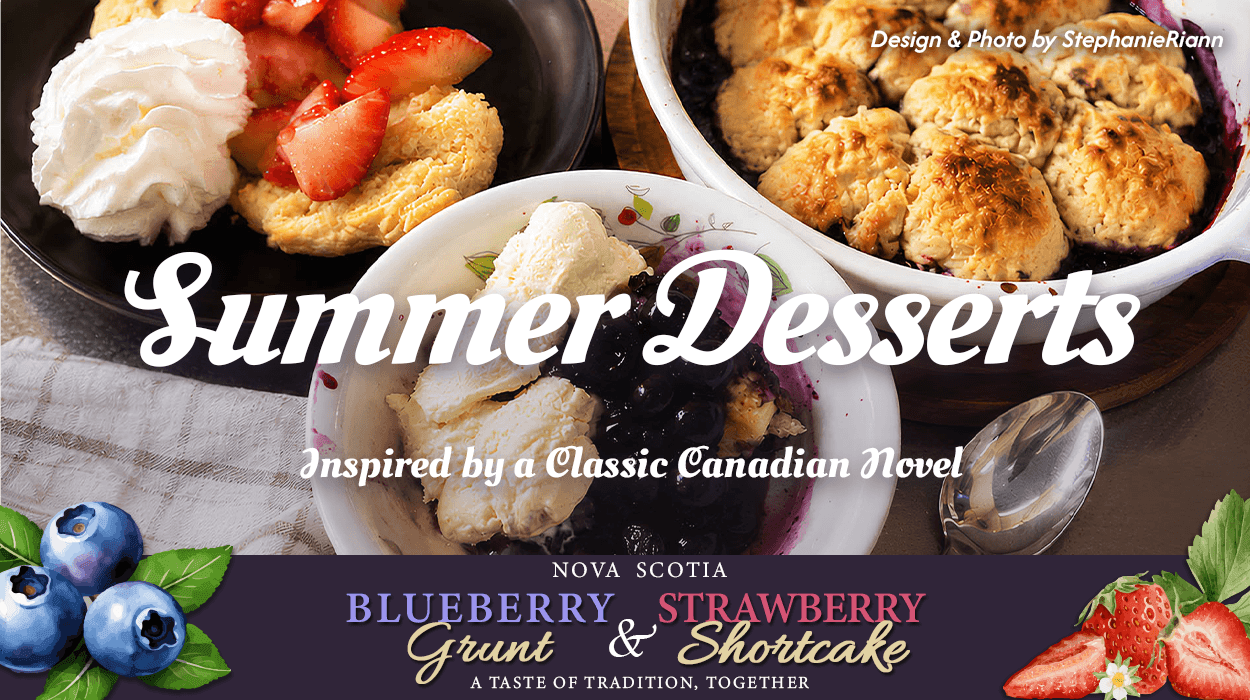
- Food, Music & Everyday Culture (7-8 mins) - Explore how food, music, and storytelling help preserve cultural identity and regional language. We introduce traditional and locally associated foods such as hodge podge, rappie pie, blueberry grunt, and oatcakes, alongside the influence of Scottish and Gaelic musical traditions. We also consider how familiar foods, songs, and shared expressions connect generations and help keep local culture alive.
- Closing Discussion & Q&A (3〜5 mins) - Bring the seminar together by considering what makes a regional variety of English distinctive. We reflect on how history, migration, culture, and personal experience influence the way people speak, and how everyday words can reveal much more than their dictionary definitions. We finish with a central question: When we hear the way someone speaks, how much of their history and cultural identity can we hear in their words?
Please note that opinions expressed by the tutor during the seminar are the tutor’s and do not necessarily reflect a general opinion by Cafetalk.